


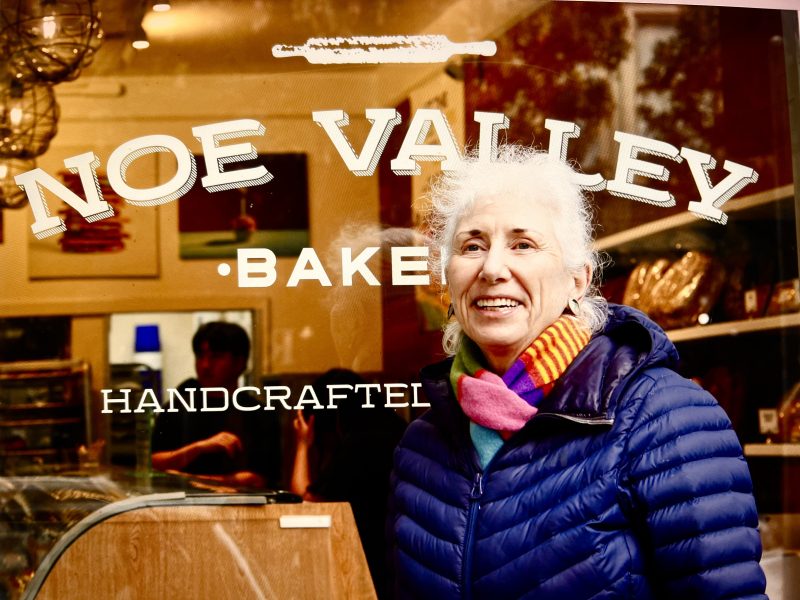
Sara Seims, an 18-year-old British girl, walked into the admissions office at New York University and knocked on the office door of the Dean of Students. It was 1966 and she wanted to attend.
The dean invited her in and listened intently to her story.
Seims had arrived in New York from the East End of London to visit her aunt and uncle in Greenwich Village. She had grown up poor in a Jewish family where her mother took in sewing and her father, a chemist, struggled to maintain steady work.
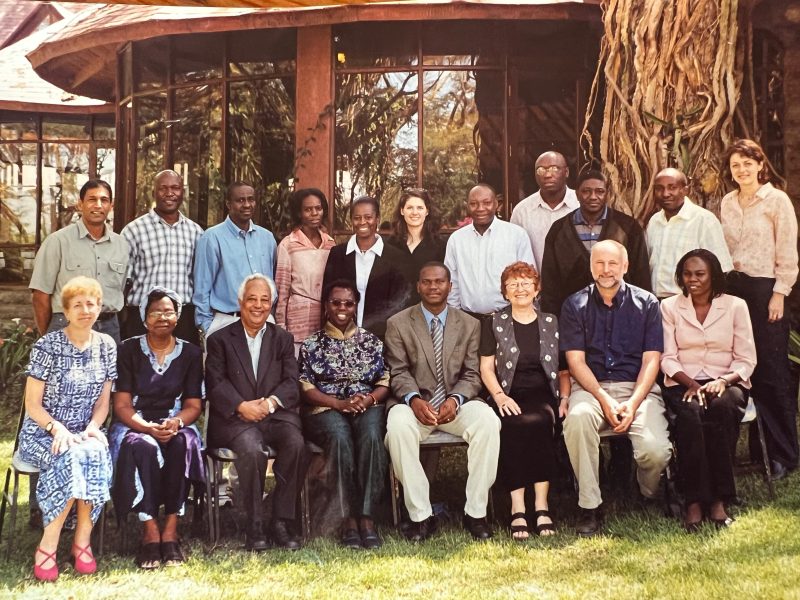

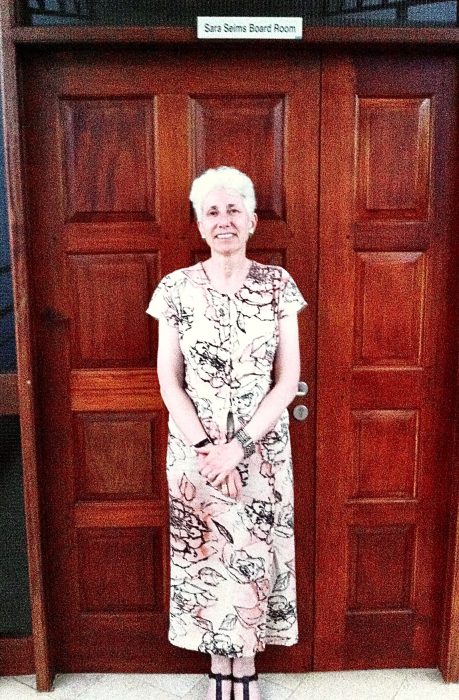
Encouraged by her aunt and uncle and their intellectual friends, Seims began envisioning college – a goal she once thought was “above my station.” She had graduated from an academic high school, which paved the way to university, having passed the qualifying national exam at age 11. Still, she said, “they treated us East-Enders as if we were going to end up clerking in a bank.”
In the telling, Seims no longer had the East End’s signature Cockney accent. Academic high school had drilled it out of her through two years of rapid, daily recitations of Gilbert and Sullivan operetta texts. “Nowadays, with reverse snobbery, it’s considered good to have a Cockney accent,” Seims said. But not then.
Moved by her story, the dean offered her free tuition for her first three courses and a job in the college’s admissions office, which allowed her to stay in the United States and eventually get her green card.
Subsequently, a Federal Education Opportunity Grant for poor, high-achieving students enabled Seims to continue her studies at NYU. Taking that step into the dean’s office set the pathway for an academic career that would take her to Asia, Latin America, and Africa, working for the State Department and the United States Agency for International Development (USAID).
A Ph.D. in demographics (the study of statistics such as births, deaths, and income) from the University of Pennsylvania eventually led to leadership positions with a policy institute, non-governmental ogranizations (NGO), and private foundations. She also raised a son as a single mother in Africa.
Seims, at 77, is an elegant woman whose face is gently framed by short gray hair and large silver earrings. She’s retired but still working on the issues she embraced decades ago. “I retired in my early 60s, when I think it’s time for people to stop running things and become mentors,” Seims said.
Still advocating
After retiring, Seims accepted a three-year fellowship from The David & Lucille Packard Foundation to conduct population and reproductive health research with European funders. She and her husband moved to London, where she helped found Amplify Change. She remains on the board of the organization, which funds grassroots efforts in low-income countries for safe abortions, LGBTQ rights, and to protect women against violence.

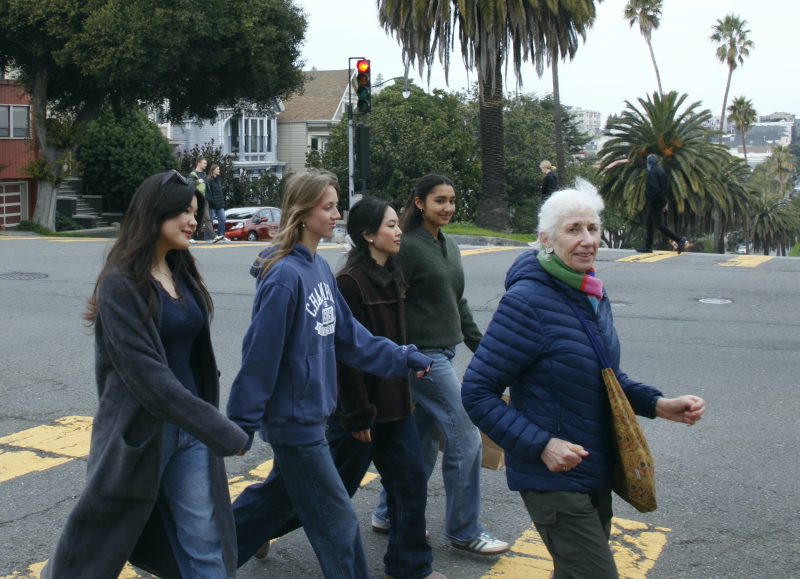


In 2013, the couple returned to San Francisco, moving into a condo in the Inner Richmond. where they still live. Her husband is retired, and they travel extensively, spending two months in London each year. Seims also teaches classes in her field at San Francisco’s Osher Lifelong Learning Institute.
She conducts city walking tours, some as long as seven miles, and makes a point of stopping at several neighborhood bakeries. “I started working at 13, said I was 15, and one of my jobs was working in a bakery where I got my lifelong love of cake.”
Seims was inspired to study demographics by a visiting professor of population science at NYU who showed how data could be used to change policy. At about the same time, a close friend nearly died from an illegal abortion, an experience that propelled her toward a career aimed at supporting reproductive rights for women and girls.
In the ‘60s, it was just one of the cultural and political issues boiling to the surface on NYU’s main campus in the heart of Greenwich Village, and across the country.


“The best decision I made was to come to New York when I was 18,” Seims reflects. “I soon realized Greenwich Village was a fabulous place to be in 1966 – the music, the discussions, the free feeling.”
In 1969, attending a folk dance, Seims spied a “handsome man” across the room and “fell in love.” She married Tim Seims two years later. Because he worked as an international business consultant, Seims said, she was “inspired to find my niche in international work, especially in low-income countries, by travelling with him.”
A shock in Haiti
While she was still an undergraduate, they traveled to Haiti. She was shocked by what she saw. “It made me realize how little control Haitian women had over the number and timing of their pregnancies and births, and how much they needed good reproductive and maternal health care.”
Growing up poor herself, she said, “I related to those women.”
Helping women in poor countries became her goal. But first, she needed to finish her education.
After she had completed her master’s degree in population science at the University of Pennsylvania, her husband got a job in Hong Kong. Seims landed an instructor position at Hong Kong Baptist University, teaching population science and economics.
She gave birth to her son in 1974, becoming a U.S. citizen the same year.
She completed her doctorate in demographics in 1978. While government agencies collected statistics, Seims was interested in what they meant for real people – especially women whose lives were shaped by poverty, limited access to contraception, and inadequate maternal care.
Hired to a senior position by USAID in 1980, she initiated policy training programs in sub-Saharan African countries. “I made frequent trips to Africa, particularly the French-speaking countries, since I was able to work in that language,” she said.

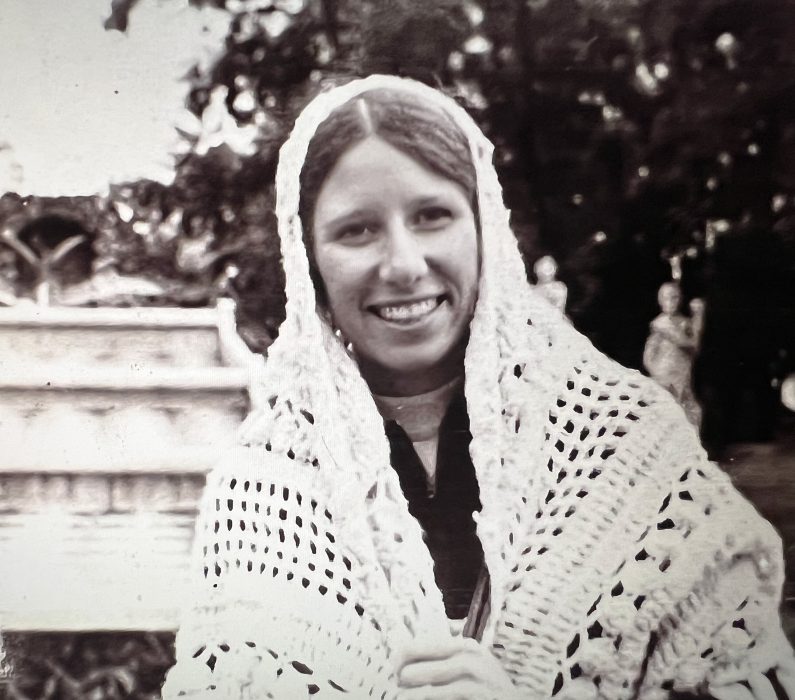
Meanwhile, her marriage was “going off the rails,” she said. Newly divorced in 1984 and determined to pursue foreign service work, she moved with her young son to Dakar, Senegal. She arrived as the only single mother at the American embassy. At first, she said, “it was a bit difficult and lonely.”
Seims spent time in hospitals and health centers and visited clinics in remote regions. “I just hung out with the Senegalese nurses, doctors, and midwives to find out what was going on.” These people, along with colleagues in women’s health NGO’s, became her friends, supportive of her and her son.
From field work to leadership
The issue of abortion was a fraught one; the procedure was illegal in Senegal but quite common. Some 20 percent of maternal deaths in the country were caused by unsafe abortions, although USAID was willing to pay to save the lives of women from botched procedures.
After returning to the United States in 1986, Seims assumed leadership roles in organizations shaping health policies. She worked at an NGO called Management Sciences for Health (MSH) in Boston, first as deputy director for the Family Planning Management Development Project, and then after two years as director. She oversaw staff and consultants working in 20 countries.
She also held a senior position with the Rockefeller Foundation in New York City and became CEO of the Guttmacher Institute, a prestigious research, policy, and communications organization.

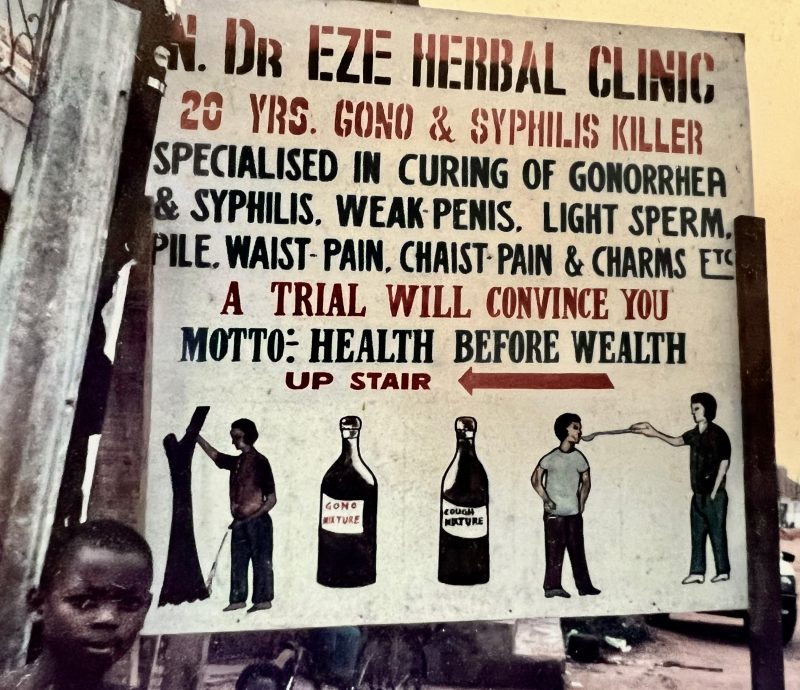
Birth rates have since dropped in some of the countries where she once worked. While their governments may be worried about population reductions, Seims said, the women and their partners are more in control of whether and when to have children.
However, she cautioned, “I am quite concerned that Elon Musk and DOGE’s efforts to destroy USAID will have a devastating effect on the work we have accomplished for decades.”
The politics of abortion and women’s health care had been shifting for a while, she noted.
“We transitioned from Clinton, a progressive president, to Geoge Bush, under whose administration there was a strong push towards abstinence-only sex education,” she said, along with promoting marriage, curtailing abortion rights, and vacillating over public funding of reproductive health care for U.S. women.
Seims left Guttmacher Institute in 2003 to accept a job at The William and Flora Hewlett Foundation in Menlo Park so she could be near her son Josh and his family. She worked there for eight years.
By this time, she had remarried. In 1988, looking to enrich her personal life, she put an ad in “The New York Review of Books.” Through that, she met her second husband, Paul Clermont.
“I was looking for a good family man, who respected women, who liked his job, and was warm and funny,” said Seims. They have been together for almost 38 years.