


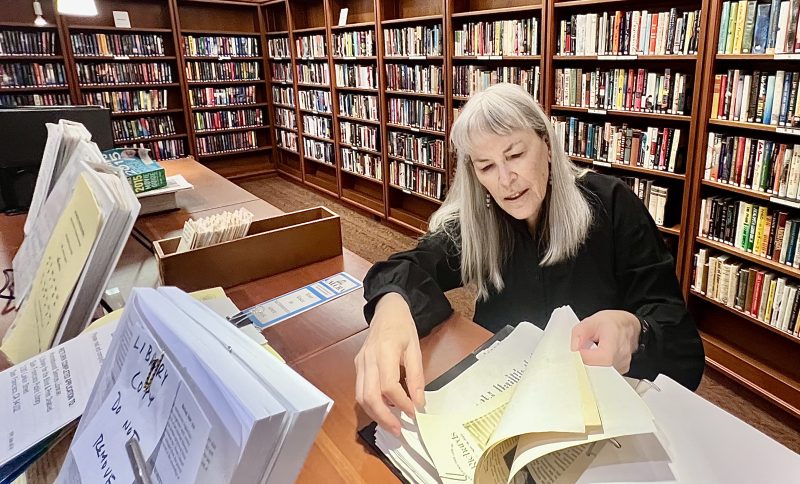
Jody Reiss was one of the youngest people to move into The Sequoias, one of roughly 50 assisted living facilities in San Francisco. She was in her late 60s; most residents were nearer to 80 or beyond with health problems making it impossible to live at home.
That wasn’t what budged Reiss, an active senior, from her Noe Valley tenancy-in-common. She wanted to make sure she didn’t have to move in the middle of a health crisis. And she knew that was coming sooner than later.

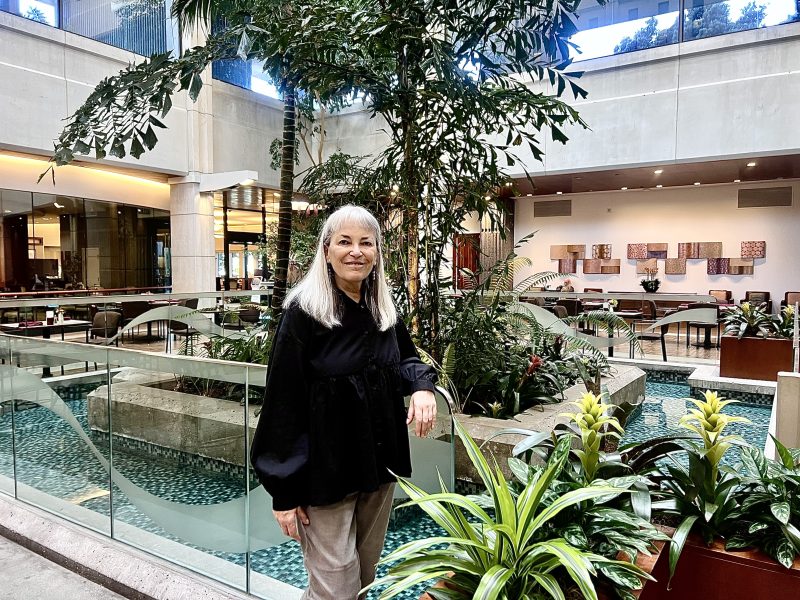
She has slow-moving Parkinsons, colon cancer, chronic migraines, erratic blood pressure, and bipolar disorder, medications for which have led to kidney disease and the need for a kidney transplant. “I know I’ll need care eventually and I wanted to be settled before then.”
She’s in in a one-bedroom apartment in what they call “independent living,” which The Sequoias and a handful of other assisted living facilities offer. She comes and goes as she pleases.
All assisted living facilities (ALF) allow residents to receive greater care – from assistance with daily activities such as bathing or dressing to medical needs without moving from their units. Some places also offer memory care and a few, nursing or hospice care. Most ALFs charge a basic monthly fee that increases with each new amenity or care provided. A resident who can’t afford a price increase risks being evicted.
Reiss won’t have that worry. The Sequoias is one of three ALFs in San Francisco licensed as continuing care communities (CCRCs) that offer “life plans” that essentially lock in costs and guarantee lifelong care.
A plan for life
Life plans require a one-time, upfront fee and monthly payments but cover a wide range of healthcare services. Two of the CCRCs, including the Sequoias, also provide skilled nursing care. Monthly hikes are based on inflation not market rate increases.


The Sequoias offer luxurious accommodations – including one-bedrooms, above left, and studios, right – as well as high-end amenities. (Photos courtesy of sequoialiving.org/san-francisco)
Still, these are not for the cash-strapped: Upfront payments can range from $100,000 to more than $1 million. Reiss paid $409,000 for her 15th floor apartment; an additional $6,000 a month covers three meals a day, weekly cleaning, and laundry service.
Reiss was able to sell her a tenants-in-common apartment and had an inheritance from her parents. “There are no options for middle class people in San Francisco,” said Reiss, noting that Medicare covers none of this.

For those who can afford it, continuing care communities offer some of the most luxurious accommodations, top-notch chefs, and range of community activities – classes, exercise, field trips, movies, performances and even pet days – to keep residents, particularly those who can’t leave the premises, engaged. The Sequoias has 46 resident committees – for everything from selecting new hall carpets to welcoming new residents and setting fees, said Kevin Otterness, director of sales.
Making friends
For many, the first few months in senior housing can be disorienting, even lonely. “Dinners can be particularly difficult when friends choose to eat with friends, it’s easy to feel left out,” Reiss said. But ever the one to dive into a new experience, she set upon developing friendships from the beginning.
An avid walker, she joined the Saturday Morning Walkers. When the facilitator of a political involvement group retired, Reiss stepped in. She’s part of an informal sing-along group. She organized a Boomers Group for “youngsters” like herself, those born between 1946-64. The first meeting attracted 19 members.

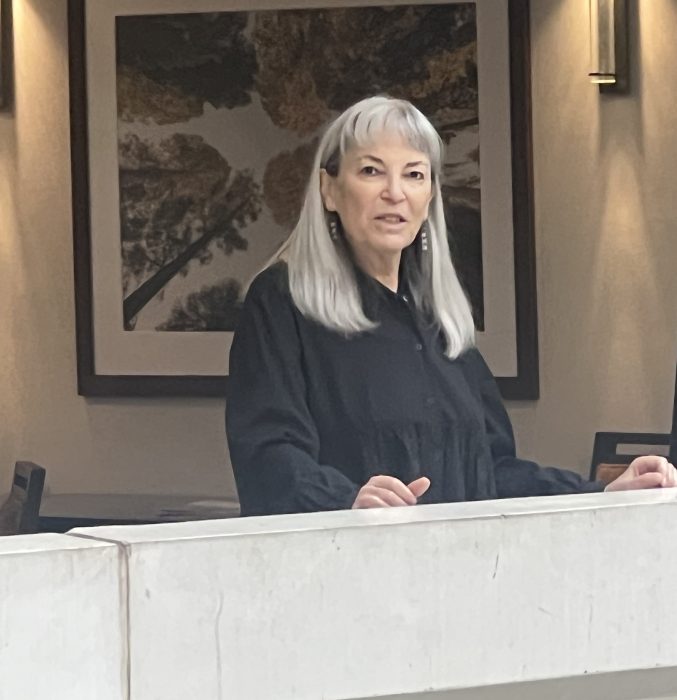
Move-in day was also fortuitous. Orientation partners new residents with a longer-term resident at breakfast seatings. “I was paired with a good person who introduced me to people I like knowing.”
Though Reiss seldom goes downstairs for breakfast these days, when she does, she brings food home for other days. At lunch, she usually finds people to eat with. Seating arrangements for dinner are often made in advance. “Our women’s group meets for dinner every Thursday night, and my friend and I have dinner every Saturday night, but “there have been days I’ve eaten alone and that’s OK, too,” she said.
Reiss still has a busy social life and many friends outside The Sequoias. She facilitates a Holocaust descendants’ group at her synagogue and sings in a choir that performs in hospitals and hospices.
But when she looked to her future, there was no one she could “rely on if I needed help in caring for myself,” she said. She was married once, for two years, and has no children. Her sister was busy taking care of a husband with dementia. Their daughter has a full-time job. Extended family lives in Europe and the Middle East.
“My friends give me emotional support as much as they can, but they have their own lives. We support each other emotionally, but physically they’re not equipped to help.”
Reiss grew up in San Francisco and spent most of her life here. She went back East attend the School of Social Work at the University of Maryland, where she got a master’s degree. The move coincided with the beginning of the AIDS epidemic. “Some of my friends were gay and I was scared one of them would get sick and die.” Not satisfied with watching from the sidelines, she began volunteering at an AIDS clinic in Washington, D.C.
Heart and soul work
“That’s where I began a journey that would last for 18 years and would include working with several hundred people with AIDS,” she wrote in the Introduction to her 2021 book “Looking Back: AIDS Tales and Teachings.” It was “heart and soul” work: “being open to forming deep and meaningful relationships, being open to falling in love, and being open to grief and withstanding it.
“Death and dying had been my lifelong companion. I’m level-headed about death. I’m not in denial,” said Reiss, whose mother was a Holocaust refugee
After getting her degree, she moved back to San Francisco, In part to care for her aging parents. She managed the HIV/AIDS program at Jewish Family and Children’s Services, followed by 16 years as a therapist in private practice focusing on bipolar disorder and addiction recovery. She retired at 60.

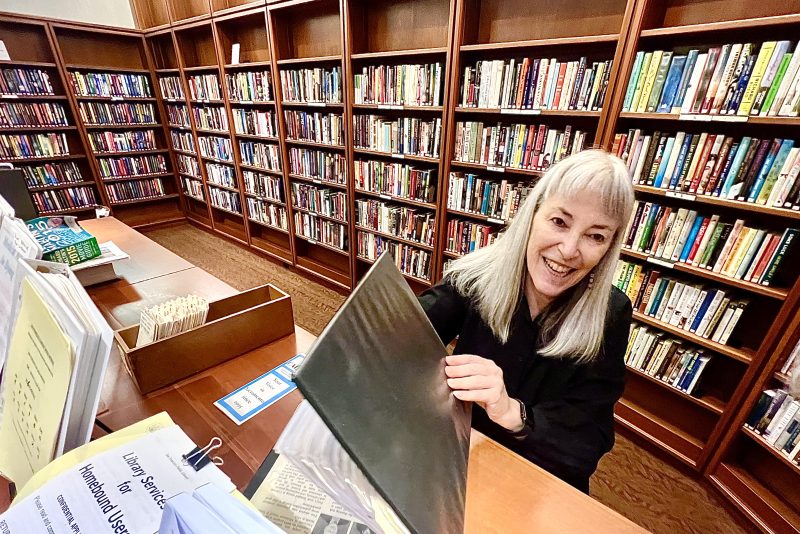
Medical conditions, including the removal of part of her colon, friends and volunteering occupied Reiss’s early years of retirement. She helped out at Project Open Hand, the San Francisco-Marin Food Bank and Food Runners. She sang with S.O.S. Singers of the Street, a choir of homeless people and their advocates who perform in the Tenderloin and at shelters, and took part in various political activities. “I dive into things, that’s my style,” she said.
She still sometimes goes back to Noe Valley to visit a friend or meet at a favorite restaurant. “I liked my old neighborhood, she said but admitted, “I’m busy here, and I find I have less energy. I feel so lucky being able to live here.”
Overall, it was a smooth transition, she said. “I knew I was living in senior housing, the first time I played Bingo.”