


Invite Klara Lux somewhere, and she’ll always show up early – except on the rare occasion when she texts: “I need 15 minutes for run to FedEx to send out a brain. Sorry, dry ice doesn’t forgive, LOL!”
Lux, 68, is a professionally licensed embalmer and owner of a clinical autopsy service providing tissue recovery for research. “The thing is,” she exclaimed as she slid into a window seat at her favorite Bernal Heights coffee shop, “I moved to San Francisco for the music.”

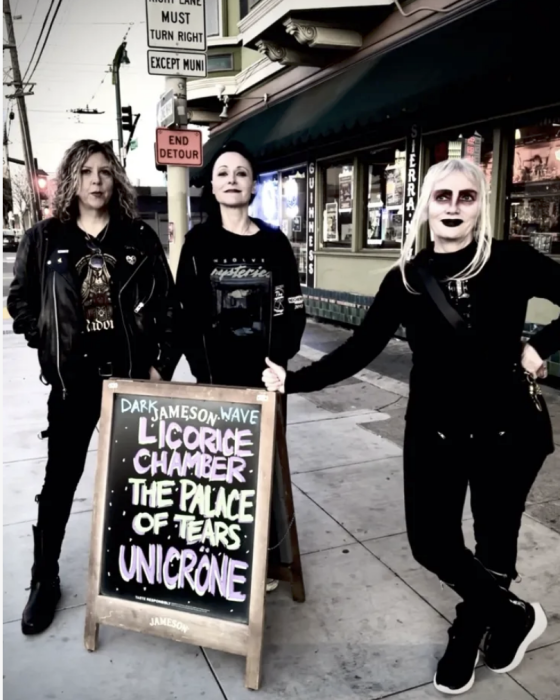
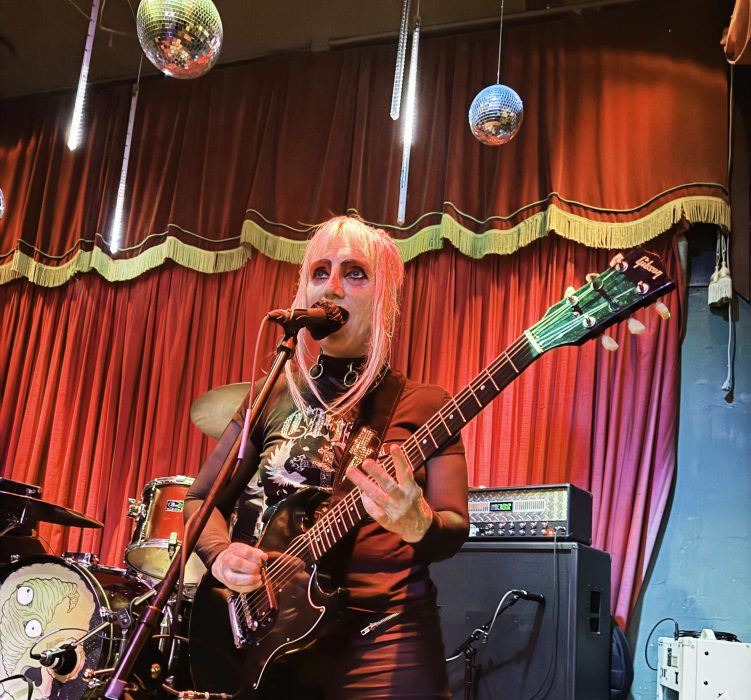
Lux is lead singer and guitarist of her three-women band Unicröne, performing what she calls “surf goth” and a friend labeled “dirge punk.” “We have eclectic musical styles,” she conceded, “joyfully creepy goth soundscapes, punk and hard rock rhythms, atmospheric trance-type moods that we try to achieve.”
During a recent gig at the Make-Out Room in the Mission District, Lux reigned over a small dance floor in nearly all black from head to toe – monster boots to lips, eyes, clothing and platinum hair shaved in back with long strands framing her face. She’s the anchor in the all-women band that includes Heather Dunham on bass and K.R. Morrison on drums.
One of their more recent songs, composed by Lux and Dunham, is “Red Sonya.”


Unicröne has long been part of the San Francisco music scene at clubs like the Make-Out Room, Hotel Utah, The Knockout, Halloween shows at the “Terror Vault” in the bar at the San Francisco Mint, and Eli’s Mile High Club in Oakland,. It played its first gig at the DNA Lounge in March 2020, right before lockdown and reformed just two years ago.
“Music, the band thing, has always been my medicine, my obsession, ” Lux said, “no matter what I’ve done for work, I’ve always lived to play.”
Lux moved to San Francisco In 1980 at age 22 to join its thriving punk music scene. “Everything I cared about was happening here—the Dead Kennedys, the Contractions—all these punk rockers in a tight community.”
First dead body
Originally supporting herself through a variety of low-paying jobs, Lux discovered, while taking classes at City College of San Francisco, including art and anatomy, that she could make a living working with real anatomy – as an embalmer.
“I saw my first dead body in anatomy class, and I thought, ‘Amazing!’”
Ever since she was a child, she said she’d been deeply curious about things other people shun. “Some people call it morbid, but when I got my first cadaver, I didn’t shy away,” Lux said. “I’m one of these people who go headfirst into things that may be difficult for others.”
Lux decided to attend mortuary school and found work as an embalmer at funeral homes, eventually landing a job at the San Francisco Department of Public Health setting up medical clinics in homeless shelters around the city.

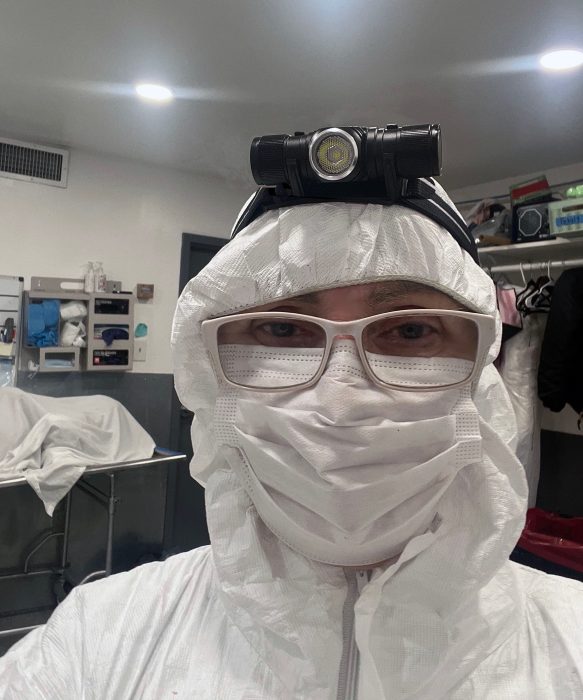
She worked there for 23 years, at the clinic on weekdays and the morgue on weekends, while creating music, practicing music, and performing with numerous band incarnations at night. Lux retired from the city with a small pension in 2006, at the age of 60. She’d already cut back to 3-4 days a week a few years earlier to work for another licensed embalmer who ran a specialized clinical autopsy service. He trained her to assist in autopsies, and tissue recovery and procurement procedures required by neuroscience researchers.
After two years, she was performing entire autopsies but with the growing scientific focus on neurology research, Lux now specializes specifically in procurement of brains and spines of patient donors who died of neurological diseases, fulfilling requests from university research centers and brain banks around the country.
Art and science meld
A private person, Lux said she has always kept her art and science “personas” separate. She said she’s adamant about keeping a very small social media footprint, mainly using Instagram and Facebook only for her band’s performances promotions.

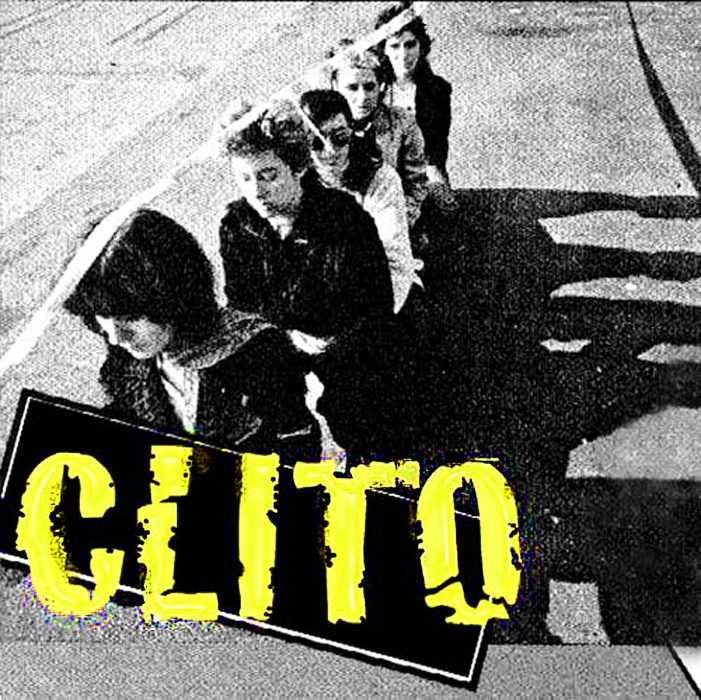
Born in 1958 in a small town near Venice, Italy, to a Southern Italian mother and American father with roots in Northern Italy, Lux began drawing at age three, singing at age six, and learned to play drums at 12. At 19, she enrolled in one of the country’s most prestigious art universities, the Accademia di Belle Arti di Venezia.
While there, she formed Clito, officially recognized as Italy’s first all-female punk rock band. They carved out a vital space for women in the male-dominated underground music scene, performing in Bologna the day before The Clash’s famous June 1 concert in Piazza Maggiore in 1980, and gaining renown for appearing “for a few seconds,” Lux said, in Federico Fellini’s 1980 film “City of Women.”

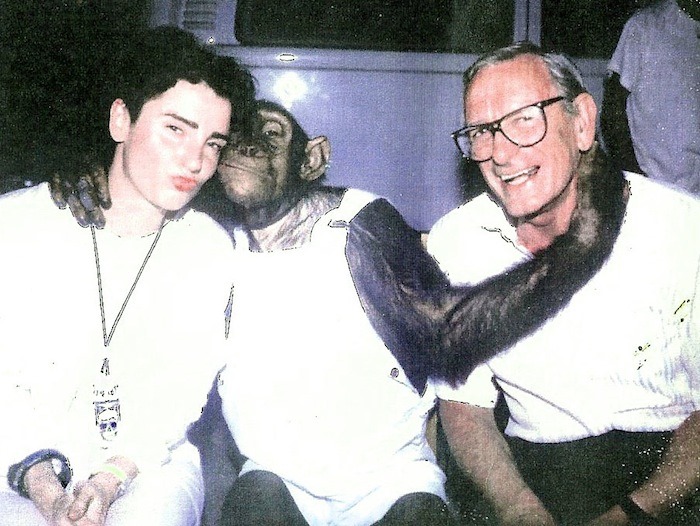
Moving to San Francisco was easy, Lux said with an amused shrug. “I went to school on the American military base where my father was head of language services, so the way I speak, I present as American.” Her father was a third-generation U.S. citizen and his father and grandfather were also Americans, but over the generations, his family retained their Italian heritage by traveling back and forth regularly to the home they’d kept in Northern Italy.
On one of these visits, in 1944, Lux’s father, then 16, and his parents were stranded in their small village of Bedonia until the end of the Nazi occupation in 1945. Her father finished his education at a private Italian military school, was soon drafted into the American Army, and embarked on a U.S. military career.
Raised in Italy

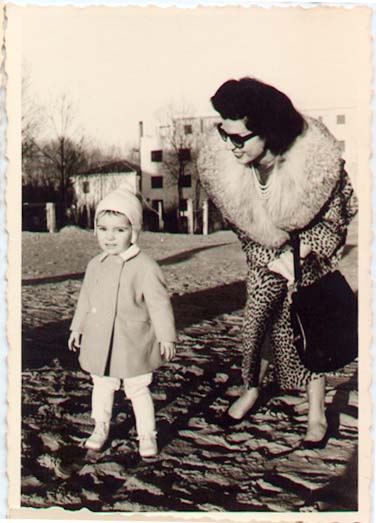
Her father met her mother in 1953 when he was stationed at the U.S. military base in Naples, where she worked as an artist creating charcoal portraits of soldiers from photographs they would bring her. Lux remember her father saying, “he fell head over heels for my mother, who was very beautiful … my mother’s story was, ‘He was cute, smart, from a nice Italian family, and making a living in U.S. dollars—I knew immediately I was going to marry him.”
In 1953, her newly married parents moved to Vicenza, an architecturally beautiful, wealthy town known for its goldsmiths and silversmiths. Despite their upper middle-class life in Italy, Lux said, her parents were considered an interracial couple. “She’s from the South so she’s darker and Northern Italians have a long history of feeling superior to the darker Southern Italians.”
Lux remembers her mother as socially ambitious, bent on orchestrating her husband’s career despite being unhappy in her marriage. Growing up with her mother’s many up-and-down moods created a tumultuous atmosphere that strained their relationship. “She craved Italian designer clothes. She was elegant, glamorous yet so dramatic,” Lux recalled. “The opposite of me with my hippie look and punk music passions. She perceived me as this complete alien person. I craved independence.”

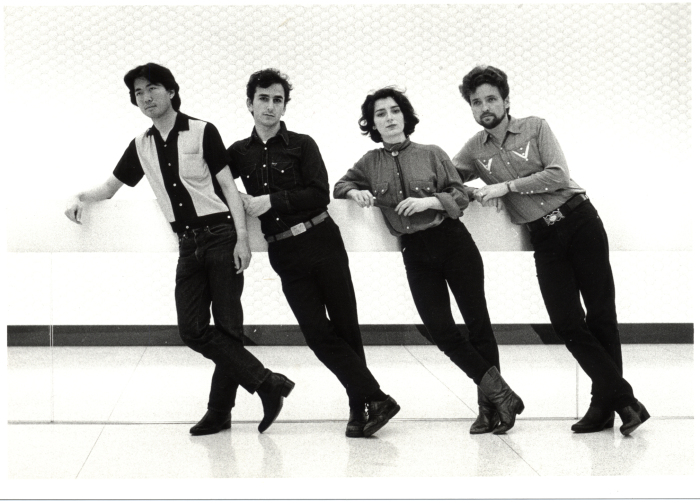
Bobbie Jo & the Twins” band. (Photo courtesy of Klara Lux)
Her solution: move to San Francisco, with the help of $500 her father had stuffed in her pocket. She moved in with an American girl she’d known in Italy at the military base high school, started calling people who needed a drummer, and ended up playing with “No Sisters,” a band of brothers.
By always working two or three jobs at a time, Lux scraped together enough money to support herself and maintain her music career. In the 1980s, Lux said, “you could afford to be a musician working at crap jobs to support your art.” She was a McDonald’s server, Café Puccini waitress, club bouncer, movie theater ticket taker, sign painter, clerking at video stores, record stores, clothing stores, and a punk rock reviewer for “ArtBeat Magazine.”
Working for her music

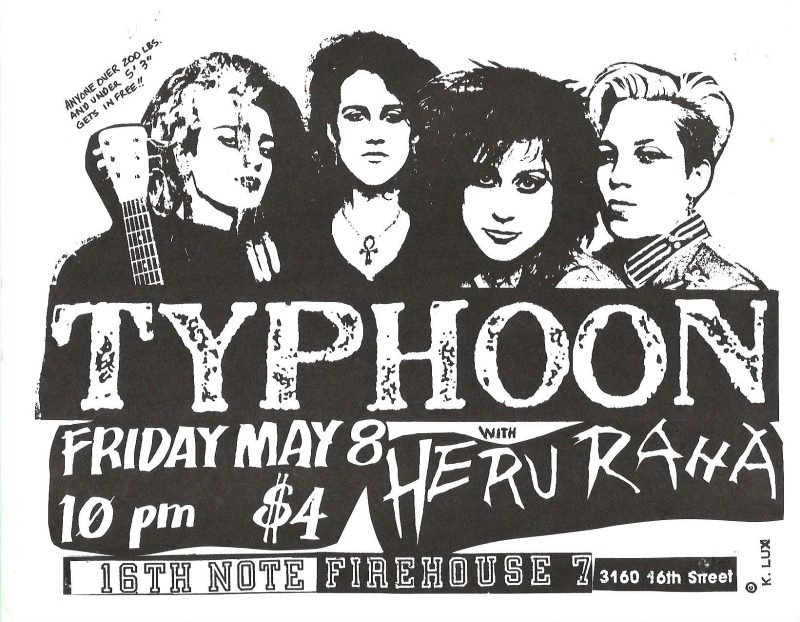
“All I wanted was enough cash to pay for studio rehearsal space, promotions, and EPs,” Lux said. She calculates she’s performed with more than two dozen bands over the decades, many she formed herself, including punk-a-billy “Bobby Jo & the Twins,” San Francisco’s first female goth band Typhoon, and her longest project to date (1992-2012), the four-woman punk/thrash/speed metal band Binky.

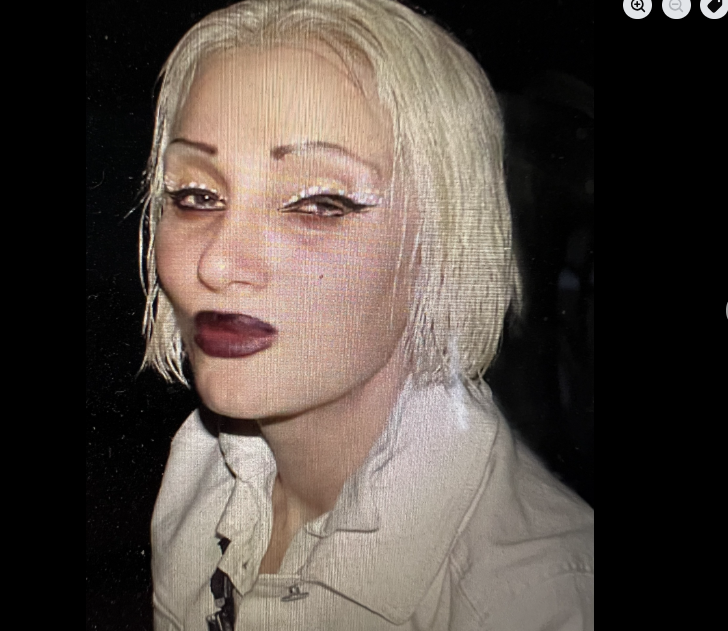
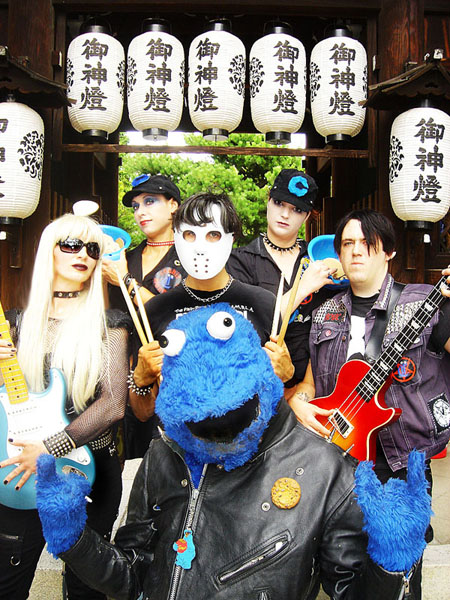
One of the more memorable gigs by far, she said, had to be playing guitar with Cookie Mongoloid, a San Francisco-based “Sesame Speed Metal” band that performed heavy metal covers of Sesame Street songs. In 2006, she toured Japan with them and two years later, appeared on “The Gong Show with Dave Attell.” Billed as “Cookie Mongo” for national TV, the act featured costumed characters and “gothic gyrators” and was an active part of the San Francisco underground club scene.
While her bands changed, work interests evolved, partnerships started and ended, the one constant for Lux was her passion for music—and “my longest-ever commitment—The Secret Studio,” a rehearsal space she’s kept throughout her life in San Francisco.

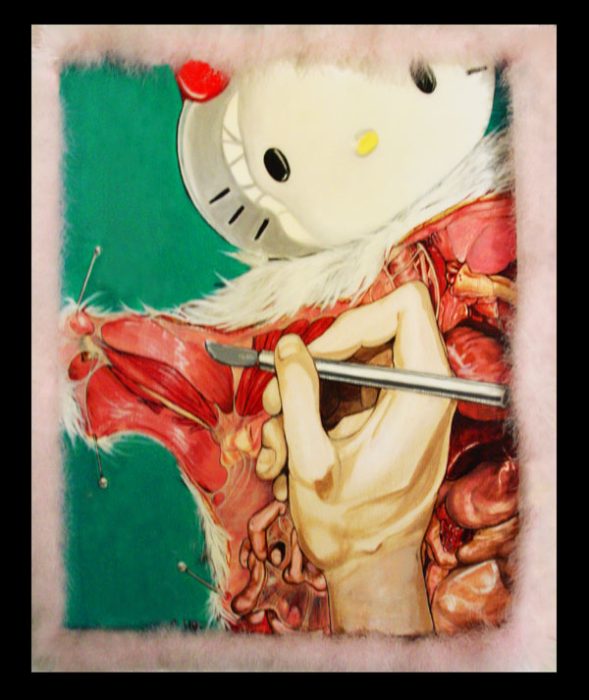
After a friend told her that City College of San Francisco offered courses that were basically free, Lux saw a way to advance her creative skills. She dove into music, art, and film courses. She also signed up for classes in anatomy. She thought “learning more about the science of human body would help me in my art,” which she hadn’t abandoned.
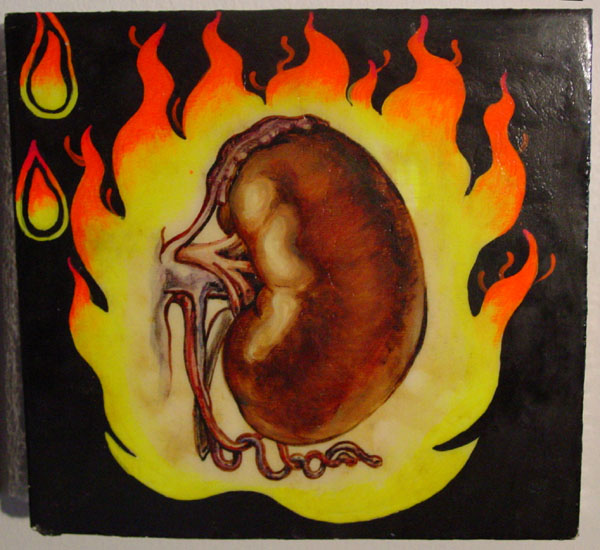
Her twin passions inspired artworks like “Biokitty,” “and “Flaming Kidney,” pictured at left. “Organs are a precious commodity,” her artist statement reads. “Realizing complex beauty and the fluidity of organs and their interaction dynamics is a focal point of study for me, the esthetics of body science.”

Her plan was to amass enough credits at City College to enroll at the University of California-Berkeley and study to be a doctor. Lux remembered thinking, “as an artist, I’ve always been drawn to the body—if I have these inclinations already, maybe I’ll do well.
“I had learned anatomy and all this medical stuff, but before I could apply to UC-Berkeley, I needed to make money to support my studies and my music.” AIDS was raging in San Francisco in the 1990s, and she read that funeral homes were desperate for qualified embalmers. Finding out that the San Francisco College of Mortuary Science offered a one-year training program and two years of apprenticeship, she decided to apply.
She laughed and said, “Embalming sounded perfect for a necromaniac punk artist.”
Turning serious, Lux added that Italians are raised to accept death as an organic part of life, so the culture doesn’t have what she calls “a uniquely American denial of death, which is the consequence of being alive.” Given her Italian background, she found the American process of injecting bright pink formalin to preserve a cadaver and limit natural decay shocking. When she was in Italy, there were no privately run funeral homes, just transport services. Burial within 24 hours is still a requirement, one which does not exist in the United States.
Artistry in the morgue

But the mortuary school’s program was good, she said, a blend of anatomical sciences including advanced infectious disease courses, chemistry, hands-on clinical practice, and restorative arts. And she received a full scholarship.
She approached her new role as an artist. Her goal was to become an embalming expert dedicated to aesthetics, while providing compassionate restoration for grieving families. When she finished the mortuary science program, she joined Daphne Funeral Home, her first job with health benefits. “I was so proud to work there, and I learned so much, because they had a very high volume.” San Francisco funeral homes in the 1990s were mostly denominational, but Daphne’s funeral director said they would serve everybody from every denomination, culture, and community, including the Hell’s Angels and San Francisco’s itinerant gypsies.
Working for funeral homes during the day and playing music at night, Lux completed her pre-med courses and earned a bachelor’s degree in Fine Arts from UC-Berkeley in 1995.
While considering medical school, she learned of a position at the San Francisco Department of Public Health’s Tom Waddell Urban Health Clinic, a multidisciplinary primary care facility focusing on the needs of adults experiencing homelessness, residents of supportive housing, and other members of San Francisco’s Tenderloin neighborhood community.
Thinking it would be good for her resume, she applied in 1996, “and boom, I started working at a transgender clinic. Originally, I thought, ‘Oh, I can do this for a while,’ but it turned out to be the best place I could possibly be. I received the most amazing medical training with so much compassion for underserved communities and innovation in health.

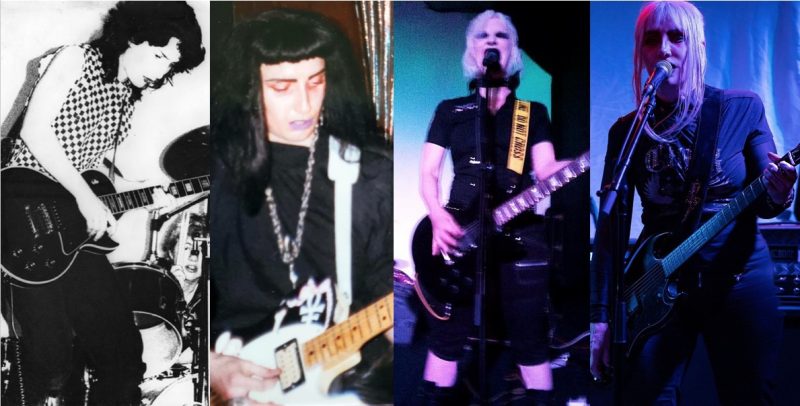
“I’ve worked myself into some kind of balance with music, art, and a specialized profession by following my instincts—I’m one of the last among my artist friends still in San Francisco and when they ask why I’m still here, I say, ‘Well, I really don’t know; it’s kind of a miracle.’”

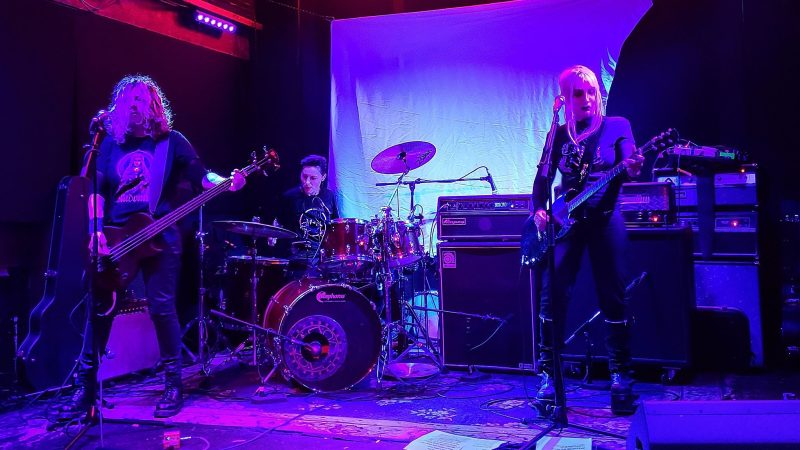
Age doesn’t matter
Lux has suspected her diverse paths were a result of attention deficit disorder. If so, she said, “ultimately, it’s what I think has made me successful at creating a fulfilling life as a musician, artist, and a medical professional. All my work situations were protections, whatever was necessary for me to able to stay here and make music.”
While she’s considering traveling more to Northern Italy, she said retirement is not yet on her mind. Her current work is fulfilling and her music “is something I’ll do as long as I can find people to play with because age doesn’t matter,” she laughed. “I’ve always been the grandma in all my bands.”

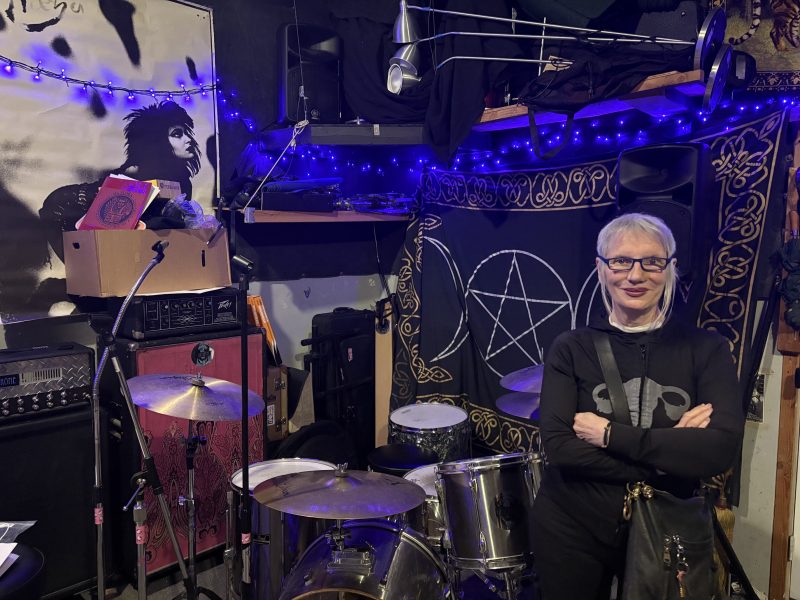
Grabbing her leather bag before leaving her Secret Studio, Lux crossed her arms and said, “It’s never been either–or for me. It’s carpe diem all the way.”

