

San Francisco native is eye witness to some of the city’s seminal places, people and happenings
Craig Carrozzi is a storyteller. Pick a page at random in one of the seven books he’s written, and you’re likely to find an anecdote about San Francisco or South America or the Sierra Nevada.
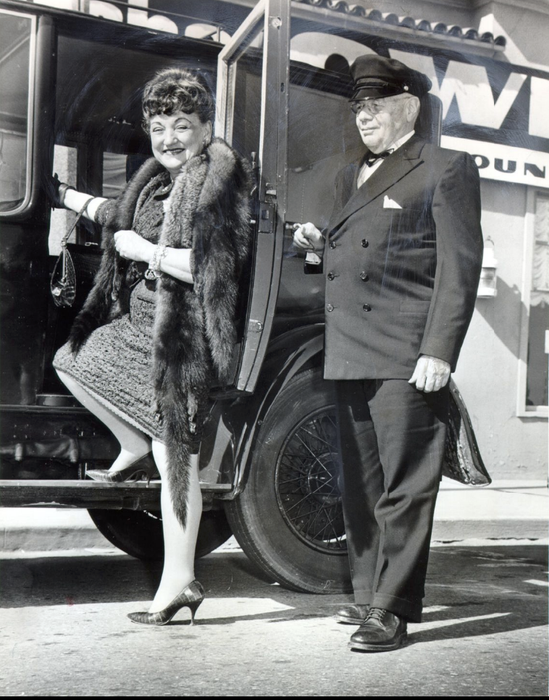
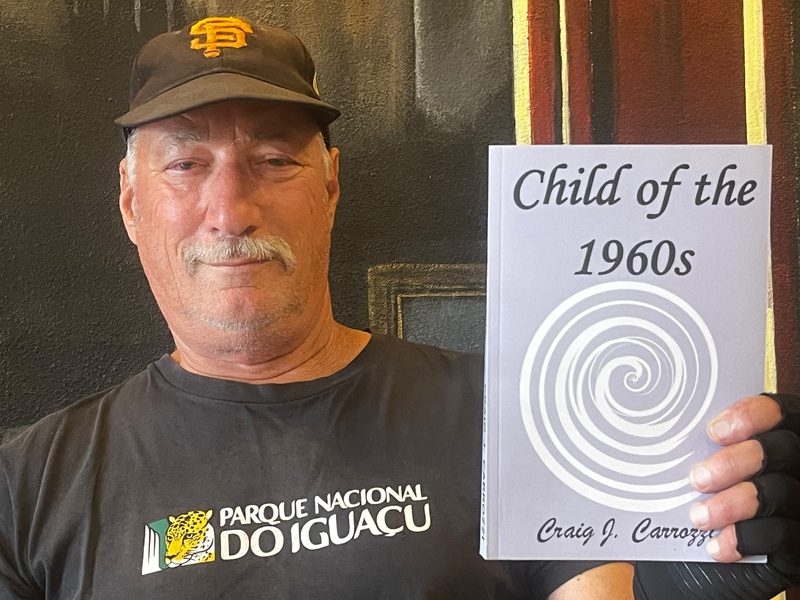
Flip to page 51 of “Child of the 1960s,” his most recent work, and you’ll read about his encounter with San Francisco’s most famous madame. No, not that kind of encounter. Sally Stanford, a brothel owner who became mayor of Sausalito in 1976, visited Carrozzi’s English class at Sacred Heart high school: “She was hilarious and talked about the good old days when the ‘boys’ would come by her place for a good time,” he wrote.
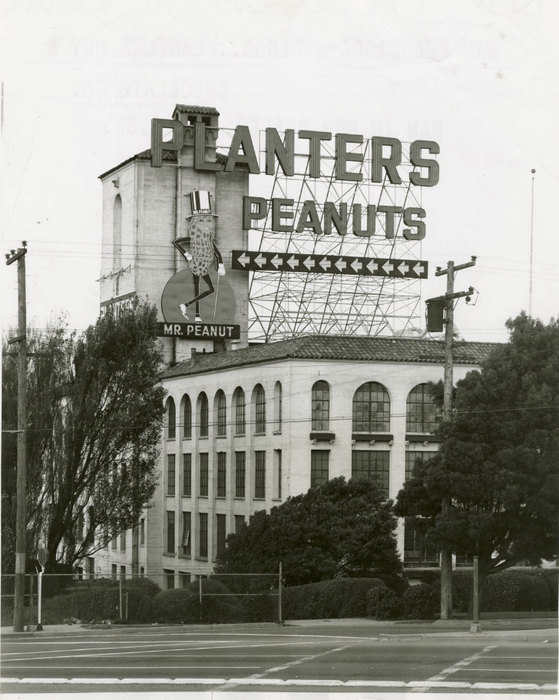
Like baseball? Download “City ‘Scapes” on Kindle and join six-year-old Carrozzi and his older brother as they walk across town from the Portola District to the Bayview. They duck under a cyclone fence at the not-quite-finished Candlestick Park and sneak into a game between the San Francisco Giants and the Cincinnati Reds on a warm July day in 1961. (Spoiler alert: the Reds won.) You’ll witness a vanished San Francisco — an old train tunnel and the smell of roasting nuts wafting from the long-gone Planters Peanuts factory on Bayshore Boulevard.
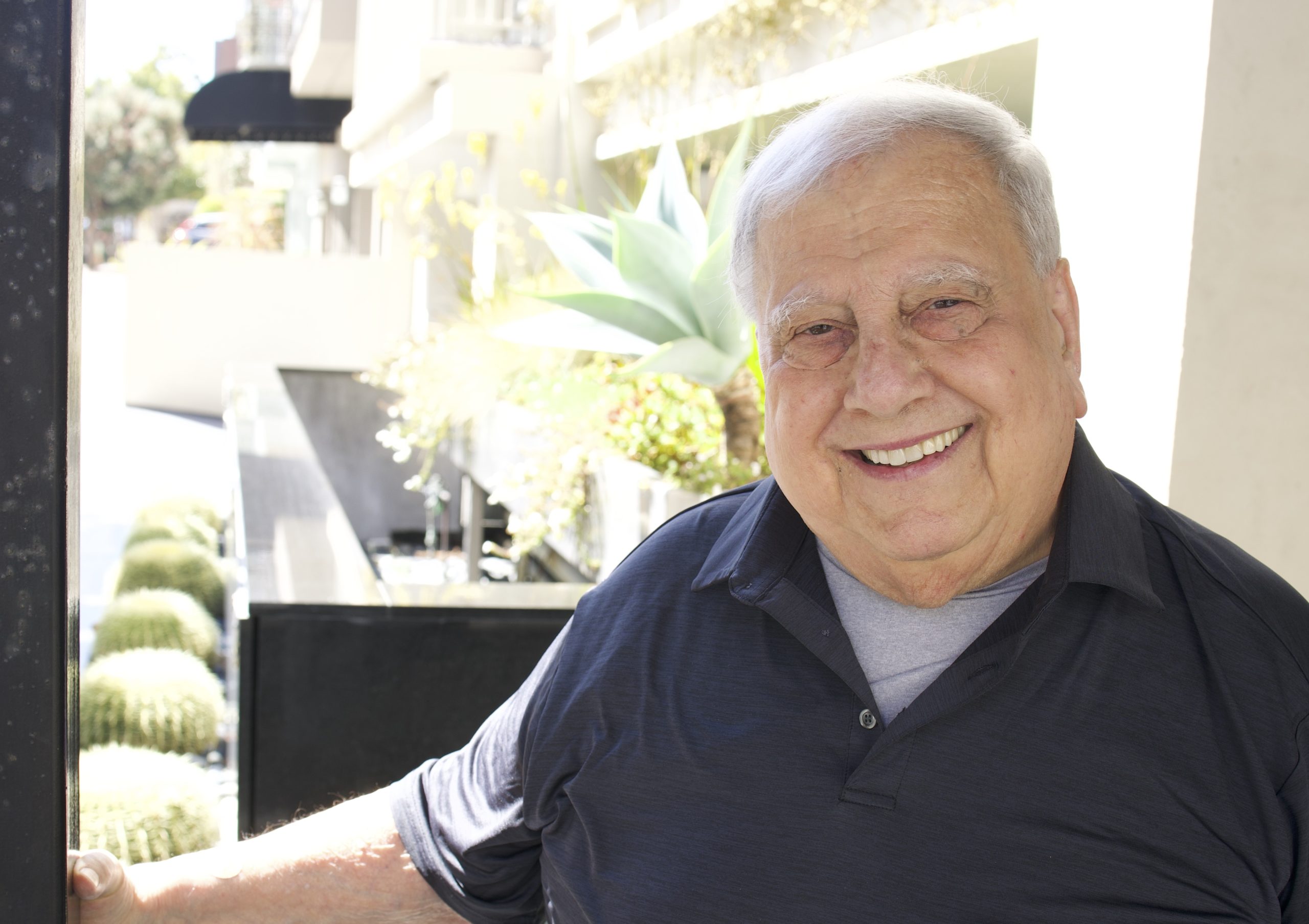
Now 71, Carrozzi is a third-generation San Franciscan who lives on California Street in the Richmond District, less than a mile from where he was born: the former French Hospital, now a Kaiser facility, on Anza and 5th Avenue. “You can’t get any more native than that unless you are one of the long-lost Tribe of Ohlone,” he jokes.
His birth at French Hospital merits an anecdote: Carrozzi’s grandfather immigrated from France in the late 19th Century. He survived the earthquake and fire of 1906 and, as Carrozzi recounts, had the “terrible timing” to visit France as World War I erupted. Still a French national, he was drafted into the French Army. but survived and returned to San Francisco. By virtue of his service, his family was eligible to be treated at French Hospital.
Although he lives near his birthplace, Carrozzi has hardly been a stay-at-home; his travels have been the inspiration for much of his work.
He traveled extensively in South America and Mexico, spending two years as a Peace Corps volunteer in Colombia and then taught English in Brazil. He studied natural medicine during a stay in Mexico’s Yucatan Peninsula and says he cured a stubborn ear infection with herbal remedies he learned there. He remains skeptical of Western medicine, rails about the pharmaceutical industry, and has no intention of getting a Covid shot.
The FBI connection
“On returning to the States. I was determined to write my first book, ‘Wedding of the Waters,’ a nonfiction account of a trip down the Amazon River.”
He became fluent in Spanish during his time in Latin America. He put that skill to use, landing a job as a translator at an agency that was working with the FBI. He transcribed and translated hundreds of hours of recorded telephone conversations involving an international cocaine organization and its customers and associates, he said.
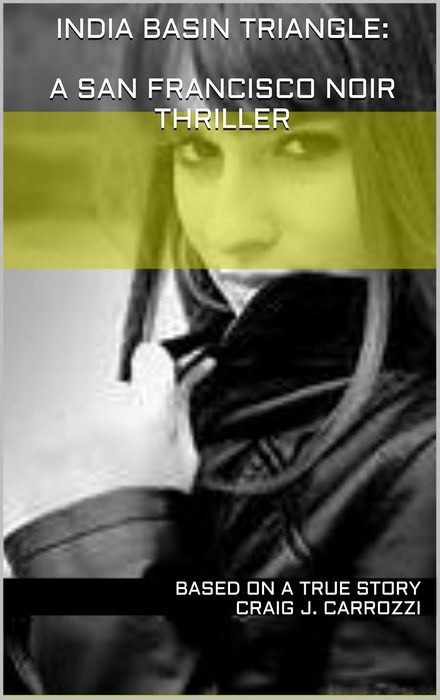
That might sound like something out of the American crime series “The Wire,” but the conversations were rather prosaic. “What stood out about the wiretapped conversations was how little of the conversations actually dealt with drug trafficking,” he said. “Most of it was dialogue about family issues and personal issues of the drug traffickers. It was kind of like a soap opera with the family business revolving around cocaine sales.” The experience provided inspiration for his 2013 “India Basin Triangle,” a noir-style thriller set in San Francisco.
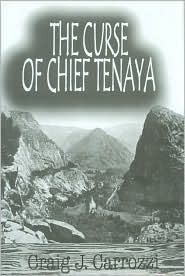
Carrozzi’s brother worked at Camp Mather, the city’s summer camp near Yosemite. Spending time there, he fell in love with the beauty of the Sierra Nevada and learned something of its history and the legends surrounding the displaced Naïve American population. That experience was the inspiration for his 2002 book “The Curse of Chief Tenaya,” a tale involving an Indian curse and a requiem to the drowned Hetch Hetchy Valley. For a time, Carrozzi worked with Restore Hetch Hetchy, a group that advocates restoring the valley by demolishing O’Shaughnessy Dam, a goal he still supports.
Carrozzi grew up in the pre-gentrified Mission District and comes across like a sports-loving, working-class guy who reads a lot. He had two brothers and two sisters. He watched the birth of one sister in the family’s Folsom Street Victorian flat when his pregnant mother’s water unexpectedly burst. He found the whole procedure “gross,” he wrote in his memoir. The birth was traumatic for his mother, who apparently fell into a severe depression. Her struggle, Carrozzi said, “was one of the big reasons I took a heavy load of psychology courses in college and worked for five years as a juvenile counselor. I wanted to understand.”
A literature award
His dad, Angelo, was a self-employed decorative gardener, leading Carrozzi to spend many hours pulling weeds for clients in the affluent Saint Francis Wood neighborhood. His father thought the back-straining work would encourage his son to opt for a softer, middle-class career. His mother mostly stayed home raising the kids, but on occasion ushered at Seals Stadium at 16th and Bryant, when it was home to the minor league team.
He attended Sacred Heart High School where he played safety on the school’s football team. Years later, he still looks fit at 6 feet and 205 pounds, with a well-trimmed moustache and a receding hairline.
He won a Bank of America Literature Award and attended the University of Southern California on an academic scholarship. He transferred to California State College, Hayward, graduating in 1978 with a degree in recreation with minors in psychology and creative writing. He worked in sports medicine for two years and was offered a job as a physical therapist, but turned it down and entered the Peace Corps. The position allowed for lots of time off, giving Carrozzi ample opportunity to travel. “Locals used to call us the ‘vacation corps,’ ” he joked. Less amusing were suspicions that he was a CIA agent. He wasn’t.
His father was a football fan, and after a bit of nagging agreed to take 11-year-old Craig to a 49ers game at Kezar Stadium. “Child of the 1960s” is a memoir about growing up in San Francisco in that era built around their bus ride from the Mission to the stadium near the eastern edge of Golden Gate Park. The game, which the Colts won 30-14, ended in a near riot with rowdy fans pouring onto the field, forcing officials to end the game about a minute early.
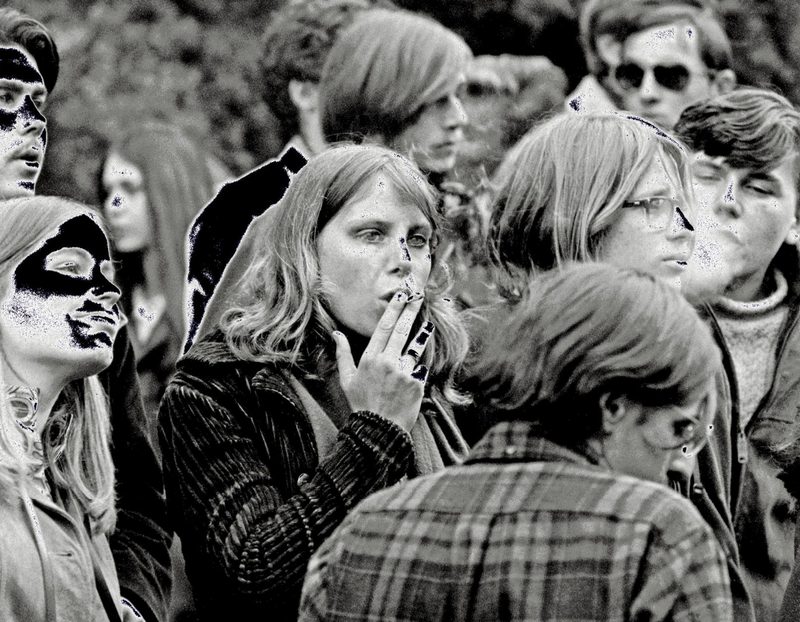
Carrozzi has a lot to say about the city in the ‘60s. Summer of Love? It wasn’t, as the narrative goes, in 1967, he said. By then, the drugs had taken over, and the scene was ugly. “1966 was the real Summer of Love. You had serious hippies and old beatniks. LSD was still legal. In 1967, the Haight was overrun with people from everywhere, 75,000 estimated, and it was a zoo with strung-out kids all over the place.”
By then, all of San Francisco was starting to look different, he wrote: “The splendid Victorians of the Fillmore District were removed to make way for ugly, Soviet-style housing blocks with small apartments.”
He was collecting unemployment for a time and needed to check in at the agency’s former office in the old Sears Building in the Mission District. While there, he met the woman who would become his wife. Craig and Priscilla Carrozi have been married for more than 40 years. They have a grown son and two grandchildren.
Burning Man first
Carrozzi worked in construction when he returned to San Francisco and got to know the founders of Burning Man. For the first years of its existence, the festival was held at Baker Beach, a short walk from Carrozzi’s current apartment in the Richmond District. It was fun, but the version he attended in 1989 was nothing like the later extravaganzas held in the Nevada desert.
“It was a day at the beach, hanging out with the pagans and the Wiccans,” he said. He remembers the huge bonfire and arguing with the cops who wanted to stop the burning. He never attended again. “I’m not masochistic enough” to camp on the Playa.
Even so, he’s working on a manuscript about the festival and its founders that he hopes to publish in conjunction with the Burning Man Foundation. He’s got other projects in mind, including a screenplay about the early days of baseball as it was played by soldiers during the Civil War.
He’s considered leaving the city of his birth but probably won’t. “If we left, we’d probably never be able to return,” he said a bit wistfully.