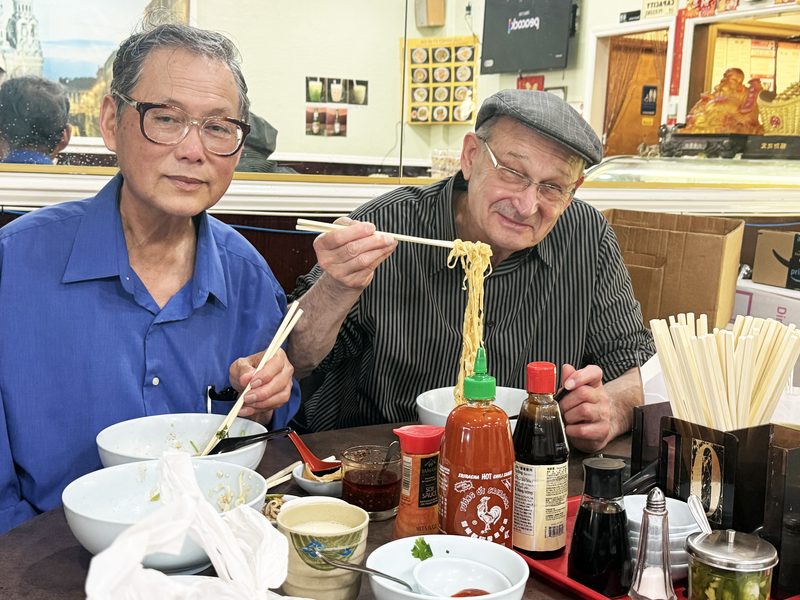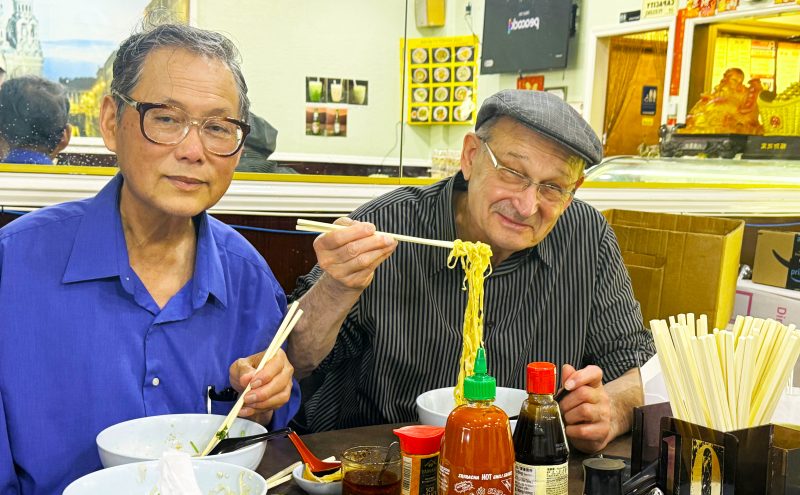
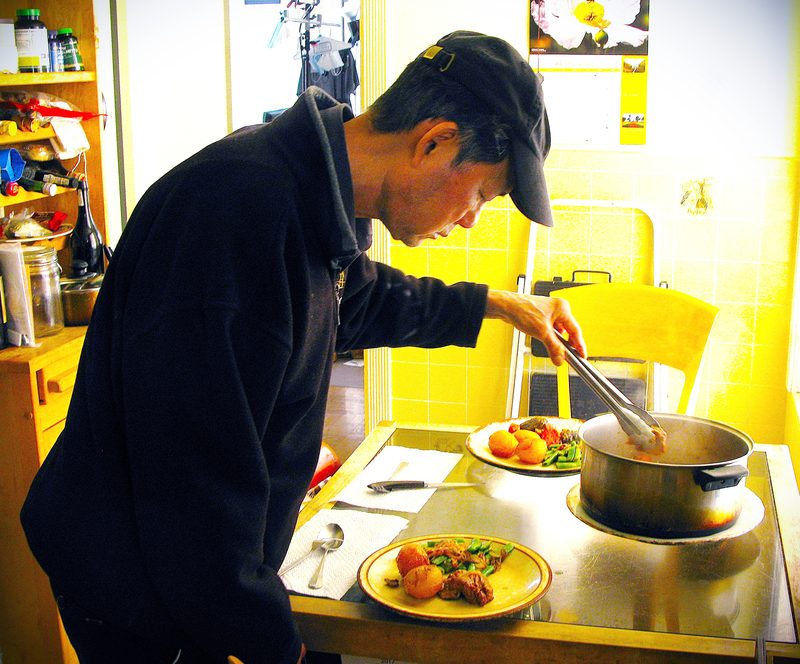
Paul Kwan is obsessed with finding, cooking, eating, and sharing the very best food. This Vietnamese-born ethnically Chinese gourmand traces his passion back to childhood memories of accompanying his mother and their maid to markets to pick the freshest chicken, vegetables, seafood, and seasonings, then watching intently as his mother prepared multi-course traditional meals.
“I learned food is not just a thing but a way,” Kwan said. “In its preparation, it’s the essence of language and in its sharing, a connection to a culture.”

His partner, visual artist Arnold Iger, credits Kwan with helping him see food in a whole new way.
“Our first trip together really opened my eyes to this man I’d gotten involved with,” said Iger, 77. “We took a taxi from the Thailand airport to downtown Bangkok, crawling through monster traffic jams past little food stands on either side of the road. As the car filled with wonderful aromas, Paul began jumping between the back-seat windows and yelling over and over, ‘Oh! I remember that from when I was a kid!’”
“I always follow my nose,” said Kwan, 74. “We dropped our bags at the hotel and ran to the night market where I went stall to stall gobbling down all this stuff, while Arnold yelled, “Pace yourself! There’s always tomorrow.’”


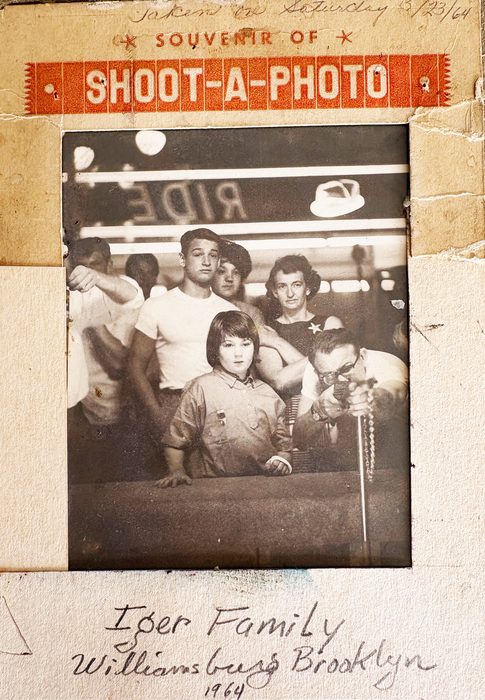
Kwan is an accomplished home chef who grew up in Saigon and Hong Kong in the ‘50s and ‘60s during Vietnam’s war years. Iger is a Brooklyn born-and-raised U.S. Air Force veteran, painter, and graphic designer. Their first meeting at the San Francisco Art institute in 1978—Kwan was 26 and Iger 29 —“sounds cliché but it was instant kismet,” Iger said. “The Vietnam War profoundly affected our lives in unimaginable ways, yet it’s also the reason we’ve had the unbelievable luck of spending our lives together, here in San Francisco.”
Nearly 50 years into what they call their ongoing life adventure, their mutual enthusiasm for travel, art, and food have produced creative projects from collage and poetry to puppetry, children’s books, theatrical productions, and multiple films. Throughout the ‘80s and ‘90s, they staged experimental performances that merged music with projected visuals and life-size puppets at San Francisco’s Intersection for the Arts, Magic Theater, and Yerba Buena Center for the Arts, and later, Mobius in Boston and La Mama Annex in New York City.
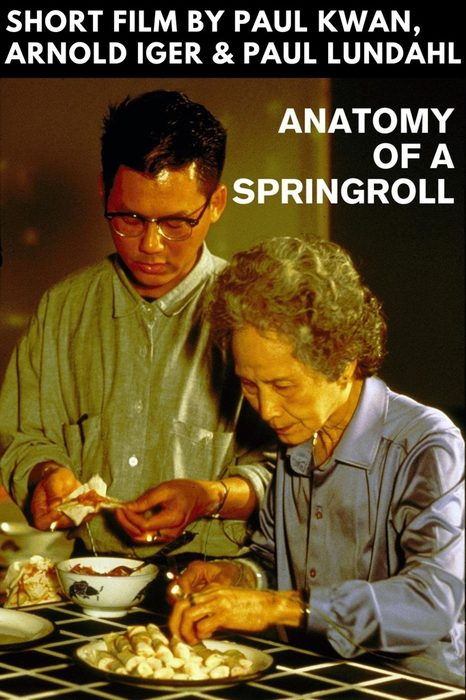
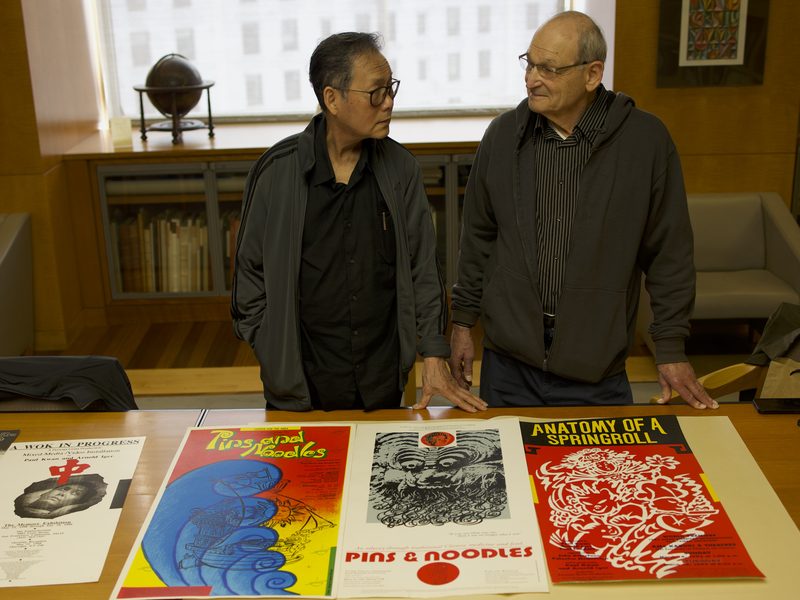
Hoping to reach a larger audience, they began creating documentary films exploring Kwan’s Vietnamese heritage and passion for food. Their Persona Grata Productions produced the trilogy “Anatomy of a Springroll” (1994), “Pins and Noodles” (1998), and “A Wok-in-Progress” (2000), shown nationally in film festivals and on public television. In March this year, their documentaries as well as posters, reviews, and photos of their multi-media theatrical performances were archived at the San Francisco Library’s San Francisco History Center.
‘We survived; we created’
“Our life together is the story of what you could do in San Francisco as a creative person, and how you could get by,” Iger said. “We survived, we created, we connected with people doing very interesting things in so many ways. I don’t know how a young artist arriving in San Francisco would be able to do the same thing today.”

Iger was the first to move to San Francisco, arriving in 1971 at age 22 after completing Air Force duty. His parents moved him and his two sisters to various Brooklyn neighborhoods before settling in East New York. It was a dangerous place, Iger said, one he knew even in high school that he wanted to leave by any means possible. “I loved my family, but the draft was hanging over me,” Iger said. “Our neighbor’s son had joined the Air Force and when he was home on leave, he took me aside and said, ‘look, soon you’ll be eligible for the draft. If you go into the Army, they’re going send you to Vietnam to fight. Why don’t you join the Air Force? There’s less chance of seeing combat.’”
Assigned to a U.S. missile development project in New Mexico, Iger said the desert was a revelation to him after growing up in an urban environment. He was working with cutting-edge technology for developing smart bombs and amazed at flying around in helicopters and driving a tank. After two years, he got transfer orders and stared in disbelief at his good fortune: He was assigned a desk job at Hickam Air Force Base in Hawaii handing out emergency code packets and maps to aircrews heading over the Pacific.

Before being shipped to Hawaii, however, Iger spent a few days in San Francisco. “It was 1969, and I immediately fell in love with its creative vibe—a human-sized city, open and free and exciting.” When his Air Force career ended, he moved to San Francisco and enrolled in the Academy of Art University on the G.I. Bill. He learned printmaking and opened a commercial art studio printing fine art editions and etchings.

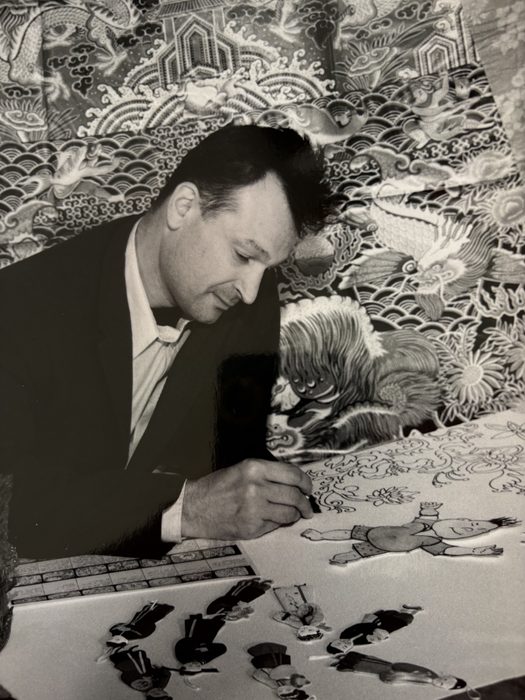
His studio became a meeting place for lively conversation among artists and students at the San Francisco Art Institute. “In 1978, you could just walk into lectures at the institute, nobody checked IDs,” Iger said. He accompanied his friends to class as a drop-in student and that’s where he met Kwan, who also hung out with friends studying there.
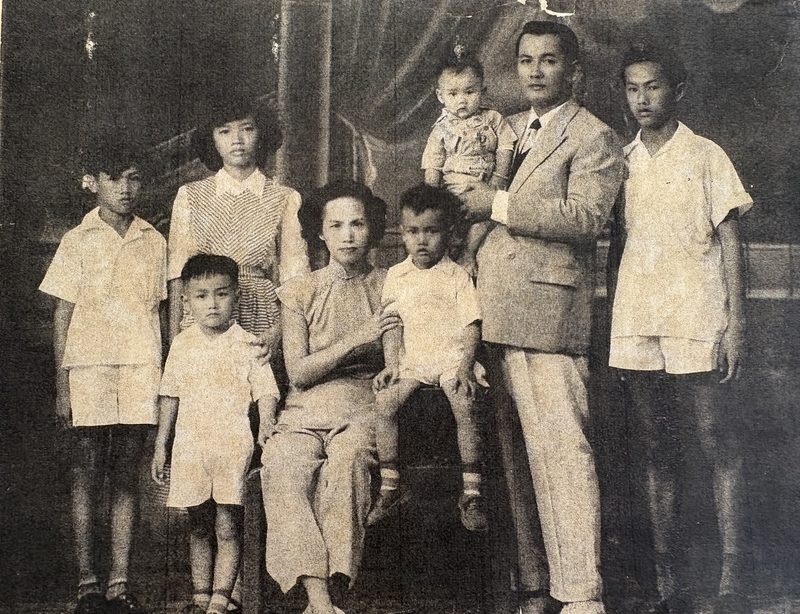
Kwan grew up in Cholon, Saigon’s traditional Chinese district. He’s the youngest of six children who all ultimately emigrated to the Bay Area along with his mother, who lived in Oakland until her passing in 1996. His father was an importer of major motion pictures, which provided the family with free access to every theater in Saigon – a “major perk” that inspired his love of movies, Kwan said. His grandparents owned a large farm and orchards with many employees.
Although Kwan’s father was well off, he supported four households with 29 mouths to feed: He took on three concubines after marrying Kwan’s mother, who had won him over with her cooking “She always cooked and served my father lunch each day—the only time she would see him because he’d spend his nights with one of his younger women.”
War’s upheaval

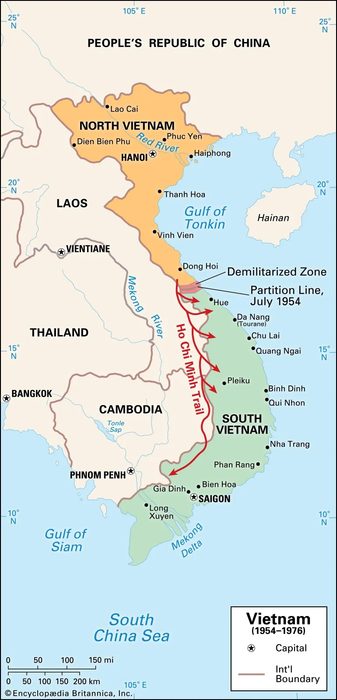
Most of the fighting in the Vietnam War, which lasted from 1955 to 1975, took place in the south of the country, where, Kwan said, “military police came to homes after curfew to surprise the family, wake everyone up, and count everyone in the house. Any 16-year-old sons were taken for the draft; soldiers were desperately needed.”
Kwan’s oldest brother worked for the South Vietnamese secret police and was a translator for C.I.A. interrogations of suspected Communists. He survived the war.
But another brother was forcibly conscripted as soon as he turned 16 by troops who stormed the family’s house a year after the surprise Tet Offensive sent more than 80,000 communist troops into 100 cities, towns, and military bases across South Vietnam. His brother had been hiding behind a fake wall each night to evade the draft. During his first year of service, he stepped on a landmine and was almost killed.
Worried about the safety of her youngest son, Kwan, his mother urged her husband to do something. Many well-to-do families in Vietnam were buying deferments for their sons. Despite going bankrupt as hyperinflation stalked the country, Kwan’s father found enough to buy his son a fake Korean passport and get him a job at a relative’s brothel in the suburbs of Saigon.
Six months shy of his 16th birthday, Kwan left his childhood home for good. “I had a new first and last name and because the police have household registration of all family members, my family would say I left Saigon to find work. I could not ever go back to my family home.”
After hiding out at the brothel for a year, spying on the action through a peephole in the ceiling and talking with GIs to improve his English, Kwan moved to downtown Saigon in 1968 to stay with his sister. Now 17, he entered the demimonde of Tự Do Street, a sprawling, neon-lit shadow market and entertainment subculture frequented by U.S. troops and airline personnel, prostitutes, residents, and visitors to the city’s underbelly.
While hanging out at a club, Kwan heard a Vietnamese band, “The Lunar 5,” and learned they needed a singer. A church choir member as a kid, he’d sung along to American rock and roll on the jukebox at his uncle’s brothel and knew the words to all the latest hits. After an impromptu audition, he became the band’s lead singer. They began touring U.S. army bases. But one day, while following Vietnamese army trucks to the next U.S. post, they got caught in a Viet Cong ambush.
“We got away unscathed, but everyone was frightened and we stopped our tour,” he said. Back in Saigon’s red-light district, Kwan met a singer who took him under his wing, taught him stage presence, and introduced him to a gangster who owned a lot of clubs.
Teenage chef for the C.I.A.
“So that’s how I ended up singing as a solo act in Saigon nightclubs,” Kwan said. “One night, I met this American guy who became my boyfriend, and I soon found out he was in the C.I.A.” They moved in together, and with an appreciative audience, Kwan began exploring and expanding his culinary skills. A year later, when his boyfriend was transferred to a new assignment, his C.I.A. supervisor, a friend, moved in with Kwan. These relationships were important protection for him as the Saigon police would not intrude on the living quarters of C.I.A. agents.
By early 1973, Kwan was dating a U.S. army sergeant who told him the war was coming to an end and he should leave before Saigon fell. He gave Kwan money to buy an exit visa and go to Hong Kong. Upon arrival, Kwan tore up his fake passport and without I.D. went into survival mode, looking for a job and a place to stay.
Now 21, a slender and attractive Kwan shared a taxicab ride with a man who offered him a job with his wife’s modeling agency. Kwan spent the next few years working as a model, learning the art of fashion window display, and once again navigating a city’s subculture with the same intermingling of American G.I.s on leave and the people and places catering to them.
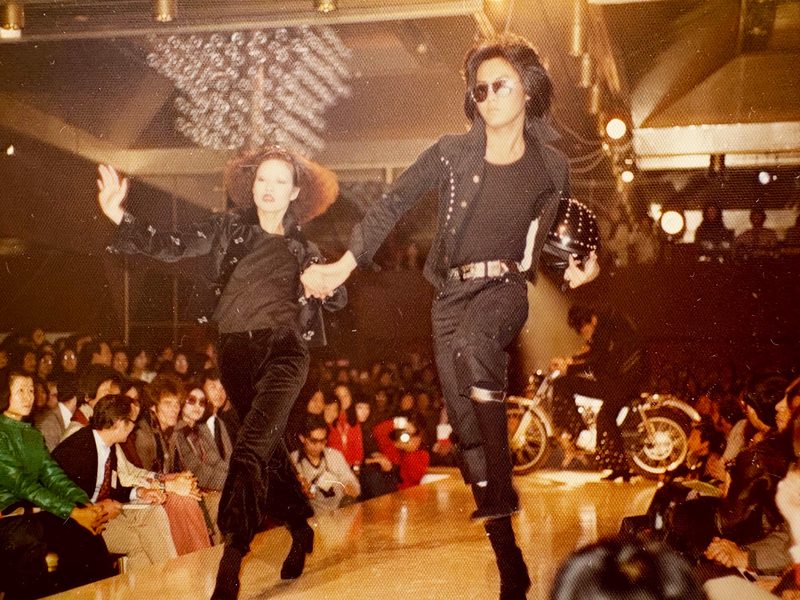
He also connected with friends of his mother’s who had fled Saigon and began cooking meals for his “aunties:”—Vietnamese pork stew, radish cakes with fresh chive, eggs, pickled radish, and shallots, and “so many chicken dishes … nothing goes to waste.”
“I loved cooking with the freshest market ingredients,” Kwan said. “Like my mother, I’d buy a live chicken, tie the legs together, and slit the throat. You do this in Vietnam because the blood is very precious—it’s full of iron. You don’t waste. Once the blood congeals, you add a little salt, stir-fry, and eat. It’s delicious.”
His C.I.A. boyfriend eventually sent someone who offered Kwan identity papers to enter the U.S. – if he agreed to work for them, Kwan said. “When I asked him what the job was, he said, ‘To do whatever we need you to do.’ It sounded dangerous but I was in Hong Kong illegally and needed papers.”
Yet about the same time, his sister, who was married to an American, discovered they could sponsor him under the U.S. Immigration Parole Program, for which President Gerald Ford authorized additional resettlement funds in 1975, following the Fall of Saigon. Kwan arrived in San Francisco in January the next year at age 24. “I came straight to San Francisco because I knew I could get good noodle soup here,” he said.
‘In survival mode again’
After Kwan and Iger met at the San Francisco Art Institute, a chat over a cup of espresso at its outdoor café morphed into watching the 1925 Soviet film “Battleship Potemkin” followed by dinner at one of Kwan’s favorite places in Chinatown. They started living together right away.
San Francisco in 1978 was a place where a young person could gain a footing, they agreed. “When I came here, I didn’t have anything. I was living in a flophouse on Sacramento and Polk streets,” Iger said. “Then I met another artist with an extra room and for $25 a month, we were sharing this house and I was living the gay, wild, art student life.
As for Kwan, “I was in survival mode again,” he said. “I was a waiter in a coffee shop at the Holiday Inn and got up at 4:30 every morning. Despite my love of cooking, I knew I would never be a cook or open a restaurant. I know how hard it is—you get old very fast.”
At the Art Institute, they’d met Marxist poet Jack Hirschman, something of a fixture at North Beach cafes who would become the city’s poet laureate from 2006 to 2009. Every weekend, they’d join his group to talk about literature, poetry, and the arts. “It was a very real, eye-opening education for Paul and me,” Iger said. Hirschman asked for Kwan’s help translating his writing from English to Chinese after finding out he was fluent in English, Vietnamese, Mandarin and Cantonese.

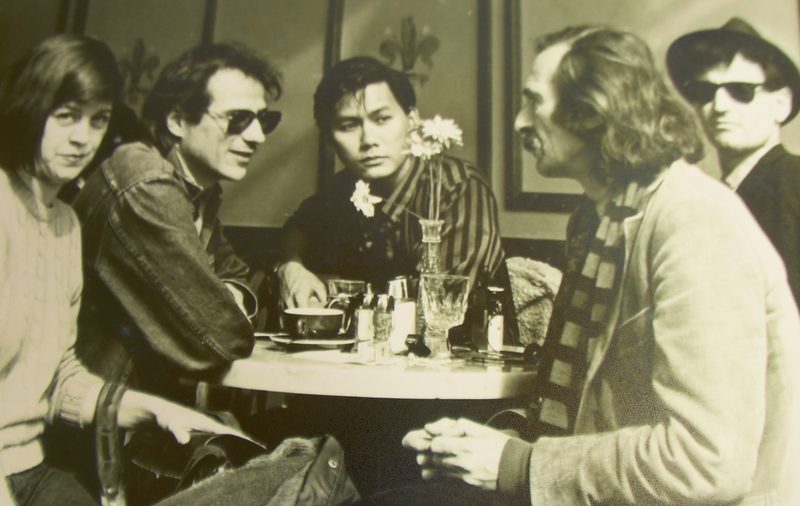
Kwan said Iger’s art world at first overwhelmed him, then intrigued him, and he wanted to explore his own creative side. For Iger, being with Kwan opened his thinking: He’d been doing print studio work for 12 years and was getting tired of it. Kwan was done with working as a waiter and said, “let’s do something different.”
In 1979, they left for a trip around the world. “On a budget, very cheap; you could do that back then,” Iger said. From Mexico City to Oaxaca and Chamula then back to the States to build up some savings, then off to Tokyo, Thailand, India, and Nepal. Everywhere, Kwan was immersing them in each culture’s unique cuisine.
“I was very cautious about what I ate, thinking I’ll get a bug,” Iger said. “But seeing him eat, I’d say, ‘let me try some of that.’ And he was always shoving it at me, so that opened me up to trying different things. It was very exciting.”
Sometimes too exciting, even for Kwan.
“I got hepatitis once in Hong Kong from oysters,” he said. “My eyes turned bright yellow, and I was laid up for three months. I also got sick in Nepal.”
“A California hippie we met had raved about this Nepalese place,” Iger interrupted, “and the menus stuck to the table. Not a good sign right there.” Nonetheless, Iger said, “Paul was very excited looking at the menu, saying ‘Oh, this looks really authentic!’ I watched him pack it away and afterwards he got really sick. It’s the only time in our relationship I ever said, ‘I told you so.’”
Inspiration in India
While in India, they were delighted by a group of itinerant performers: One unrolled a painted scroll, pointing to small images that appeared as another depicted them with exaggerated movements and a third provided background music. They saw it as a multimedia performance in the rawest and purest form.
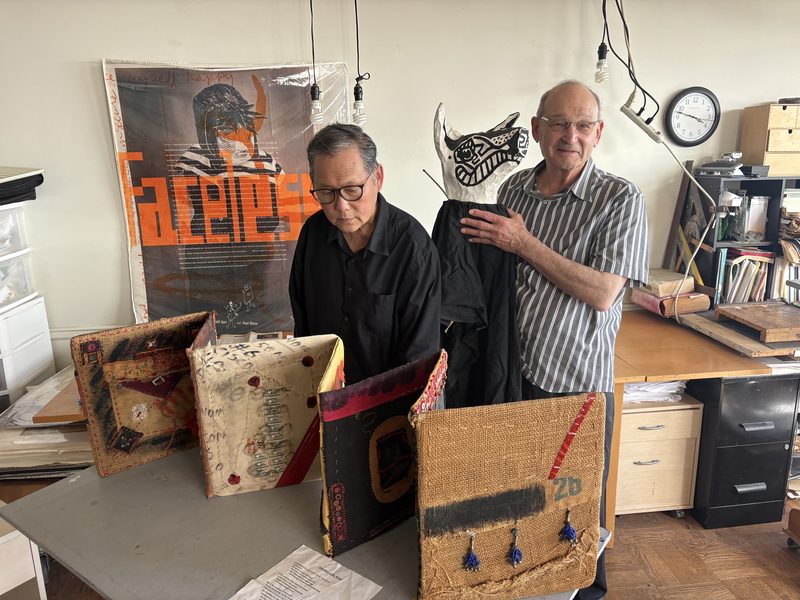

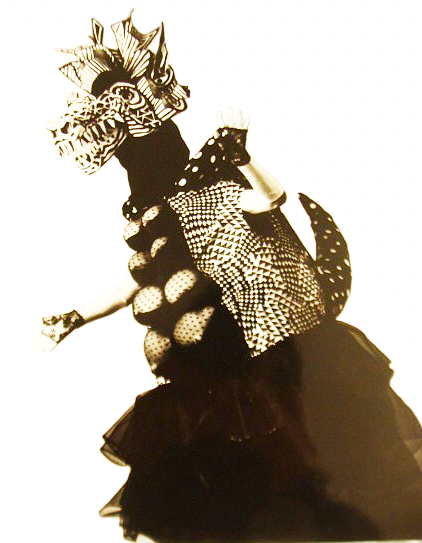
With that in mind, they spent the next 10 years collaborating on experimental theater productions —masks, costumes and three-dimensional puppets blended with Super 8 and 16mm black-and-white film, slide projectors, and live or taped music. They performed them at San Francisco’s Magic Theatre, the San Francisco’s Exploratorium, and Intersection for the Arts, as well as at New York City Center’s grand opening.
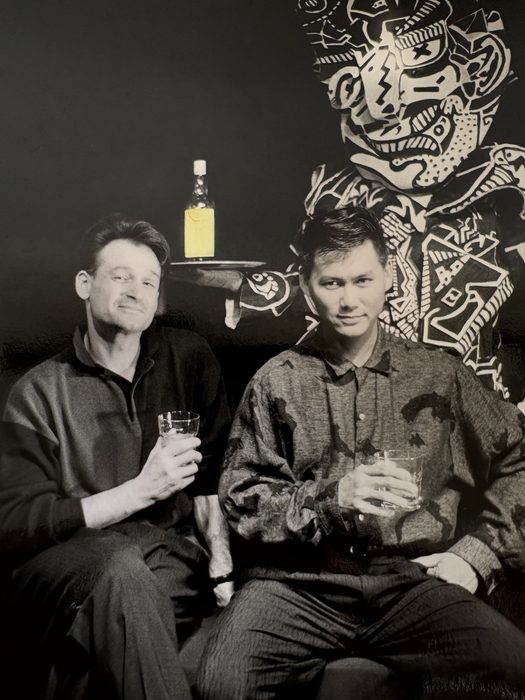
“Looking back, our theatrical productions were stepping stones for our documentaries, a medium we thought would help us reach larger audiences,” said Iger.
Kwan’s great love of cooking was the catalyst for their first film, “Anatomy of a Springroll,” fashioned out of the rich sensory memories of his childhood— food as the portal for identity. The award-winning documentary aired on PBS to a national audience of 60 million. “With theater,” Kwan said, “we never would get that chance.”
To film in Saigon, they had to get a visa from the Philippines because there were no diplomatic relations between America and Vietnam in 1991. “We heard the Communists didn’t want journalists there without minders,” Iger said, “so we had to convince them that this is our hobby. We said Paul’s mother can’t come back and we are visiting family in her place to honor her. We still had a minder, but we didn’t know it.”
As they filmed street vendors, closeups of cooking and dishes served, a temple visit to honor Kwan’s father who had died in Vietnam, and the old house in Cholon where he grew up, Kwan said, “People were watching. It’s like everything had eyes.”
Two days before their return to the U.S., their driver, who turned out to be their minder, told them the Interior Ministry wanted to see their video tapes. Panicked, they bought local pop music cases into which they hid their small Hi-8 video cassettes. “We’d heard from filmmakers who filmed in China that their footage would be confiscated and to get it back, they wanted $10,000 per person,” Iger said.
Luckily, a manager working for an influential South Vietnamese businessman they’d befriended drove them directly to the airport and walked them – and their video cassettes – through customs.
In with the food elite
“Anatomy of a Springroll” received wide attention after its 1994 premiere, and the couple found themselves embraced by San Francisco’s food scene with its dining as entertainment ethos, all-powerful restaurant critics, and “rock star” chefs. At a food conference in Seattle in the late ‘90s, a friend introduced them to “San Francisco Chronicle” restaurant reviewers Michael Bauer and Patty Unterman. Their friendship led to Kwan helping many local Vietnamese, Cambodian, and Chinese restaurants gain notice, resulting in rave reviews.
Kwan’s recipes and a story about his eight-course, home-cooked Vietnamese meal appeared in a “Chronicle” article ,“Great Asian Dishes from a Small Kitchen,” written by “Wok and Stir Fry Cooking” author Joyce Ju. With his sister, Kwan created Vietnamese sauces sold at the Ferry Building’s Boulette’s Larder.
Kwan and Iger also produced two more films in the ‘90s to complete their food trilogy. “Pins and Noodles” started out as a gastronomic safari in search of a cure for Kwan’s food allergies but turned into a life-threatening ordeal when he suffered a debilitating stroke. “Paul was rushed to the hospital ICU, and I came home in shock,” Iger said. “Finally, I got myself together, pulled out the camera equipment, went back to the hospital, and said to Paul, ‘this is going to be our film now.’”

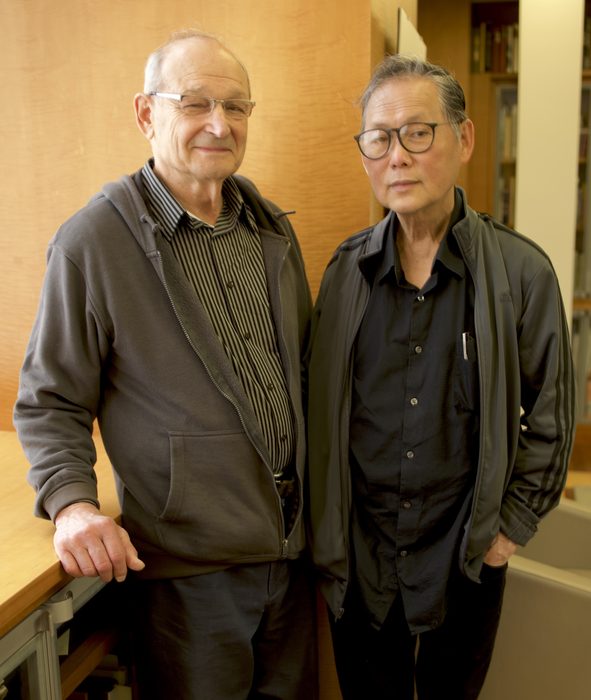
“A Wok in Progress” reveals how memories of food were the key to rebuilding Kwan’s life. “It took me two years to recover,” he said. “I lost the use of my right arm and had to teach myself to write and cook with only my left hand. I was very frustrated.”
Iger remembered Kwan going into the kitchen the day he got home from the ICU. “He couldn’t stand without leaning on something,” Iger said, “and he just started cooking with one hand. He forced himself, and that was a big part of his recuperation.”
“My brain was also recovering,” Kwan added, “and by creating dishes again step by step, I was drawing on all my food memories, recipes and cooking skills.”
Creativity cushions aging
Although their kitchen is small, their home in the Outer Richmond is huge. Purchased by the pair in 1993, the main areas for sitting, dining, and creative projects are in the center and each man has his own bedroom in separate wings. “I think that’s a good part of our longevity,” Iger said. “We’re not kicking each other in the middle of the night or snoring and keeping each other awake.”
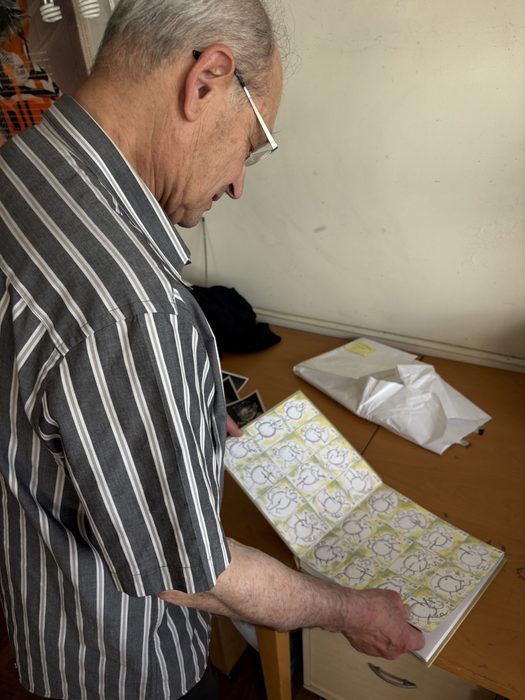
Their days have a comfortable routine. “In the middle of the day, I plan dinners for me and Arnold. Then I do whatever I want,” said Kwan. “Yesterday I made ling cod marinated with rice wine, pepper and ginger, with a smoky Romesco sauce of roast bell pepper, nuts, and sun-dried tomatoes on top of the fish. Then after we eat and Arnold’s done cleanup, I tell him to go to his room” Kwan said with a chuckle. “Because I like to listen to music on the computer. It’s my private time.”
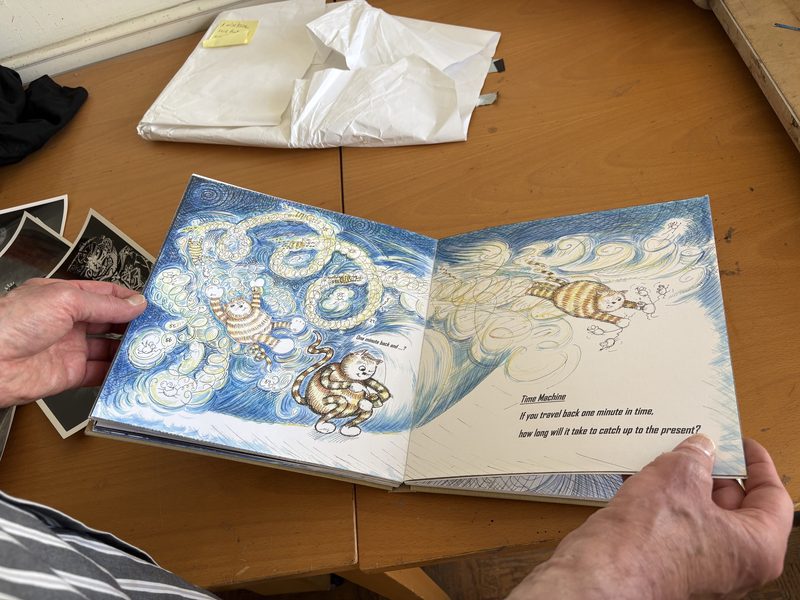
Meanwhile, both are busy writing: Kwan late into the night on a memoir of his youth titled “I was a Teenage Chef for the C.I.A.,” which he and Iger plan to turn into a documentary; and Iger early in the morning on children’s books, which he also illustrates. “It’s another art form, no different than my paintings or films,” he said, “it’s something that keeps me focused and my mind sharp, and I really enjoy the process of writing.”
Their creative projects blur their sense of aging, said Iger. “Sometimes a friend will take a picture of me, and I’ll think, ‘who’s that old guy?’” he said with a shake of his head. “You know, I don’t feel old. We’re so involved with doing creative things constantly.”
“Don’t forget eating!” Kwan jumped in to add. “We eat mostly at Asian restaurants—we have so many favorites we’ve numbered them—we’ll say, ‘Let’s go to #22 today, or how about #27.’”
No. 22 is the Thai Thai Nghiep Ky Mi Gia Noodle House at 1427 Noriega and No. 27 is the Viet Quan Vietnamese Noodle House at 1757 Taraval. Other favorites are China North Dumpling at 1311 Noriega; the Wooden Charcoal Korean Village Barbecue House at 4611 Geary; and Pho Recipe at 2511 Noriega.